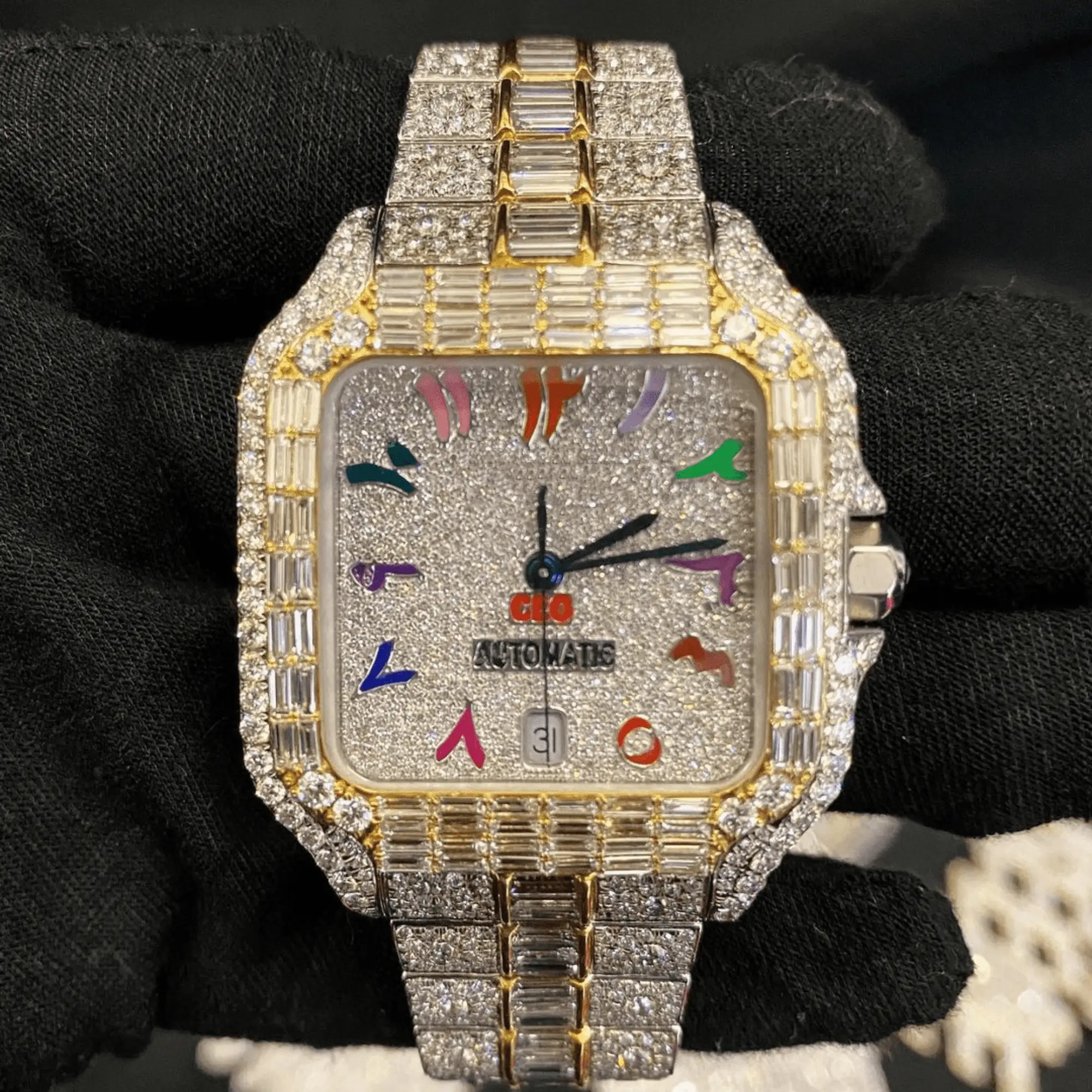
Blog Summary: Why Arabic Dial Moissanite Watches Are Trending Globally in 2026
Arabic dial moissanite watches are trending globally in 2026 as a blend of cultural heritage and modern luxury aesthetics.
Eastern Arabic numerals reflect deep roots in Islamic art while connecting to Indian mathematical origins.
Once limited to royal custom orders, these dials now represent a “global citizen” luxury identity.
Strong appeal in Middle Eastern markets due to cultural relevance, especially in social settings like Majlis.
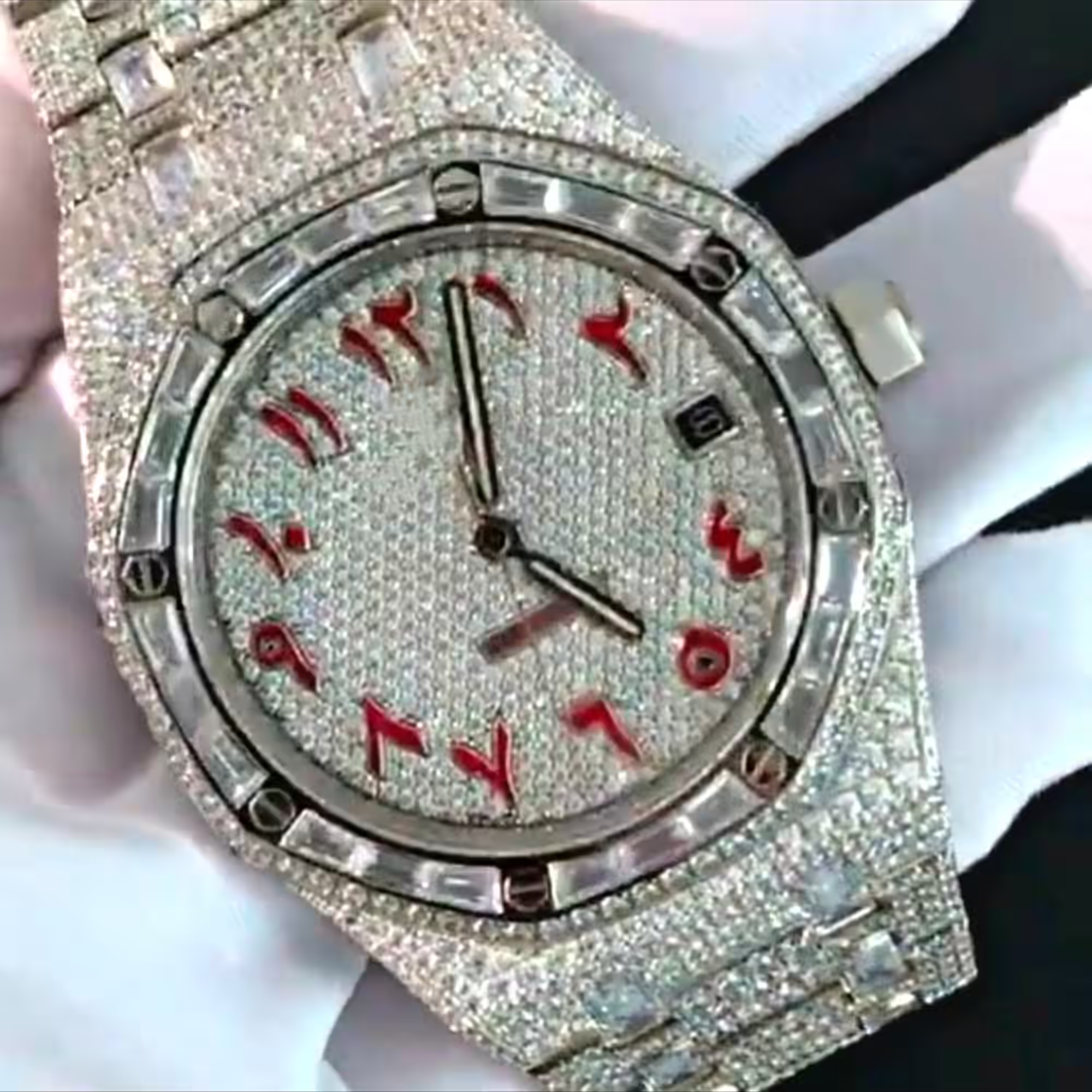
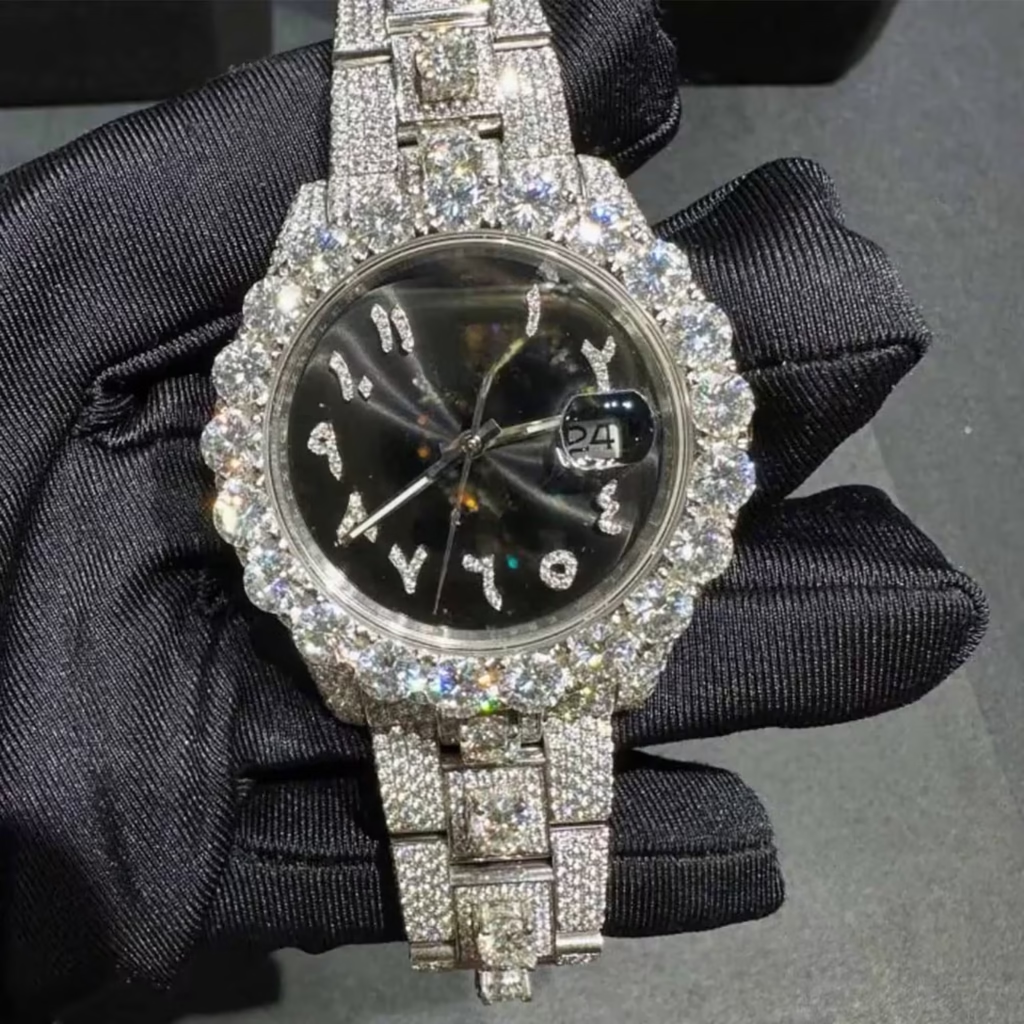
Arabic calligraphy enhances watch design through fluid geometry and visual harmony with moissanite brilliance.
Compared to Roman dials, Arabic dials feel more contemporary, artistic, and expressive.
The trend is expanding into broader jewelry categories like nameplates and rings.
Precision micro-setting of stones on calligraphy requires advanced craftsmanship and technology.
Ethical appeal of moissanite supports sustainable luxury demand.
Overall, Arabic dial watches symbolize a shift toward meaningful, culturally rich, and modern luxury statements.
In the sophisticated world of 2026 horology, a distinct aesthetic has moved from the private collections of the Middle East to the forefront of global fashion: the Arabic Dial. This trend represents more than just a stylistic shift; it is a convergence of ancient mathematical heritage and modern “Smart Luxury.”
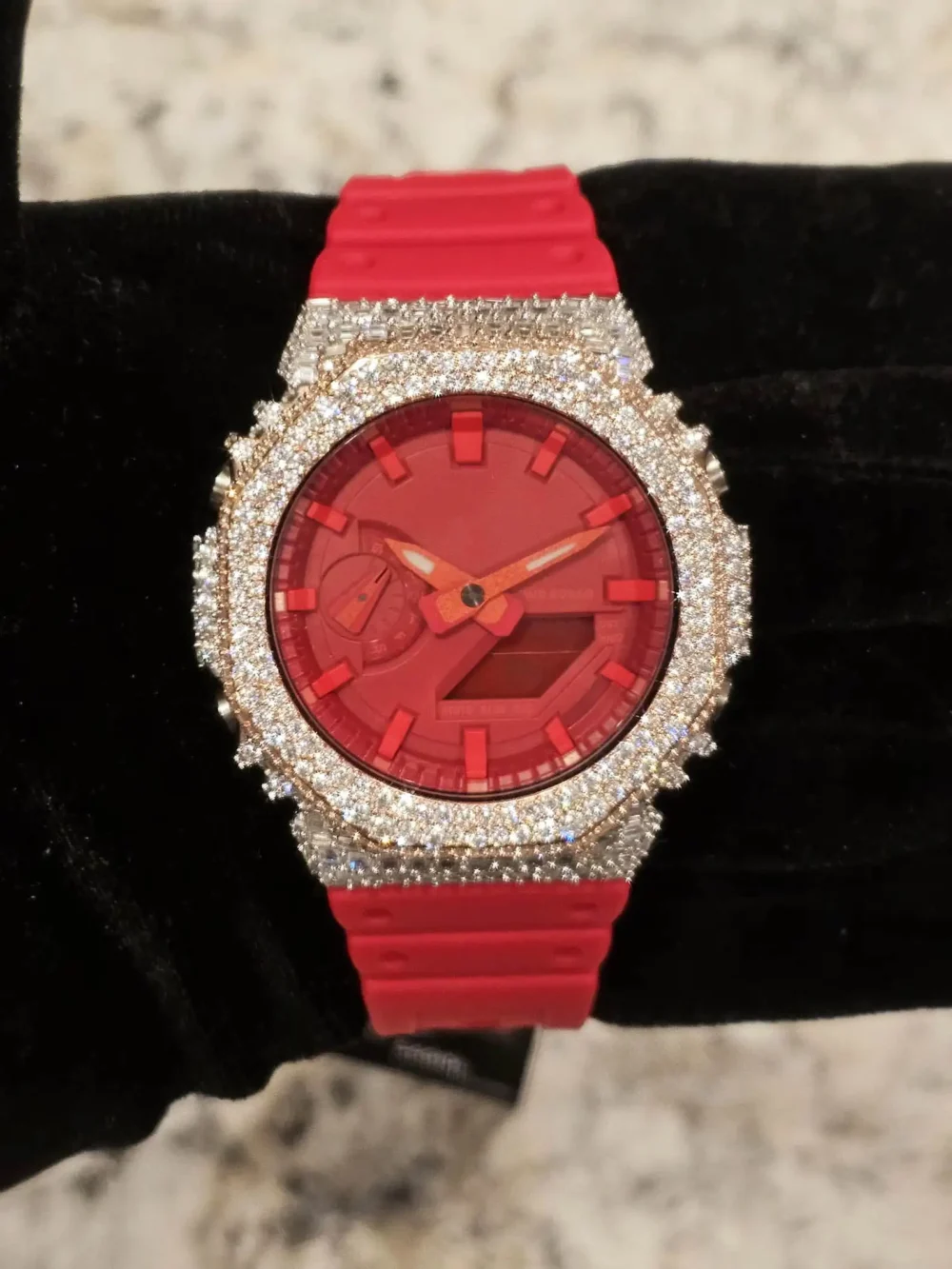
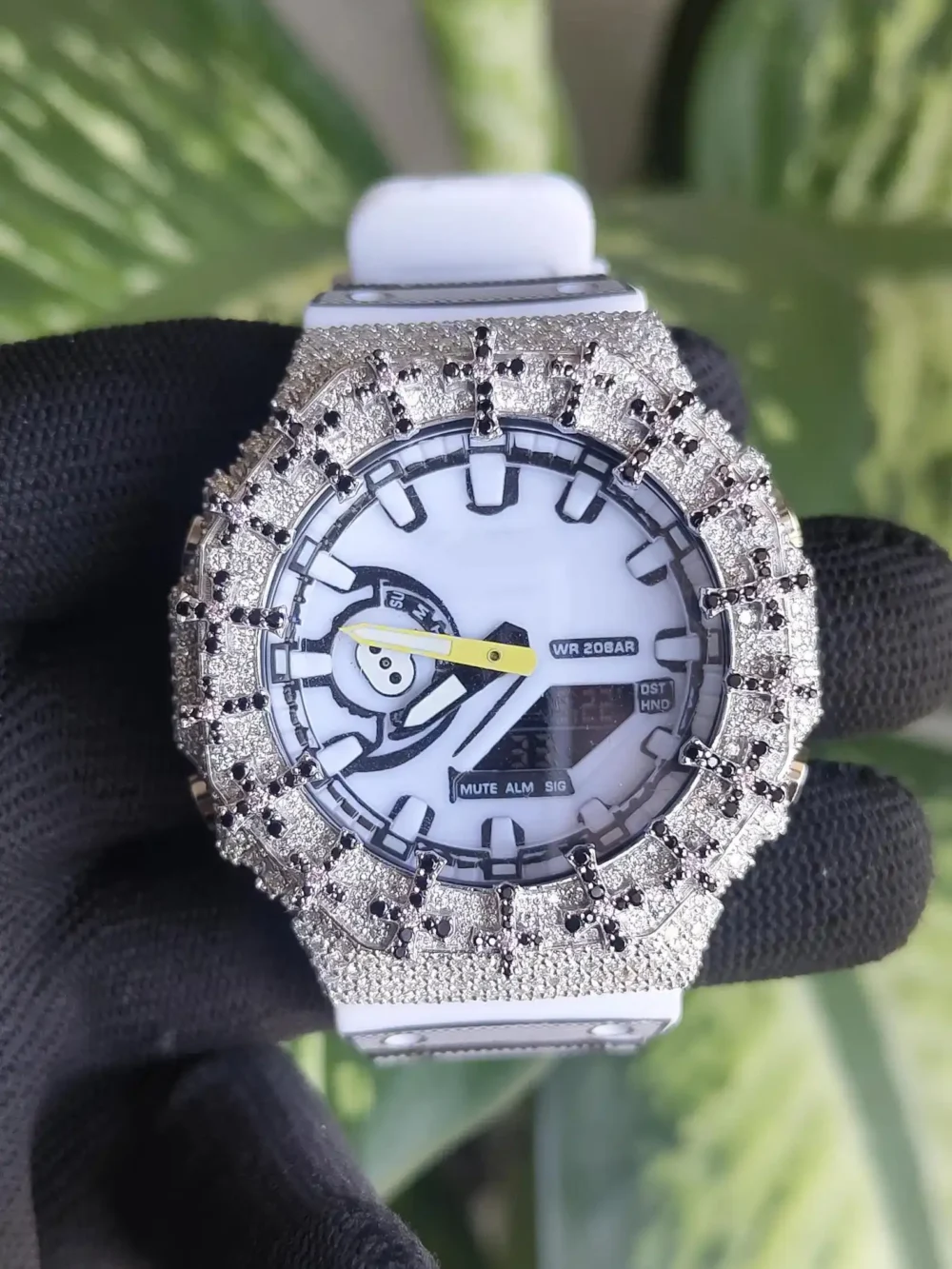
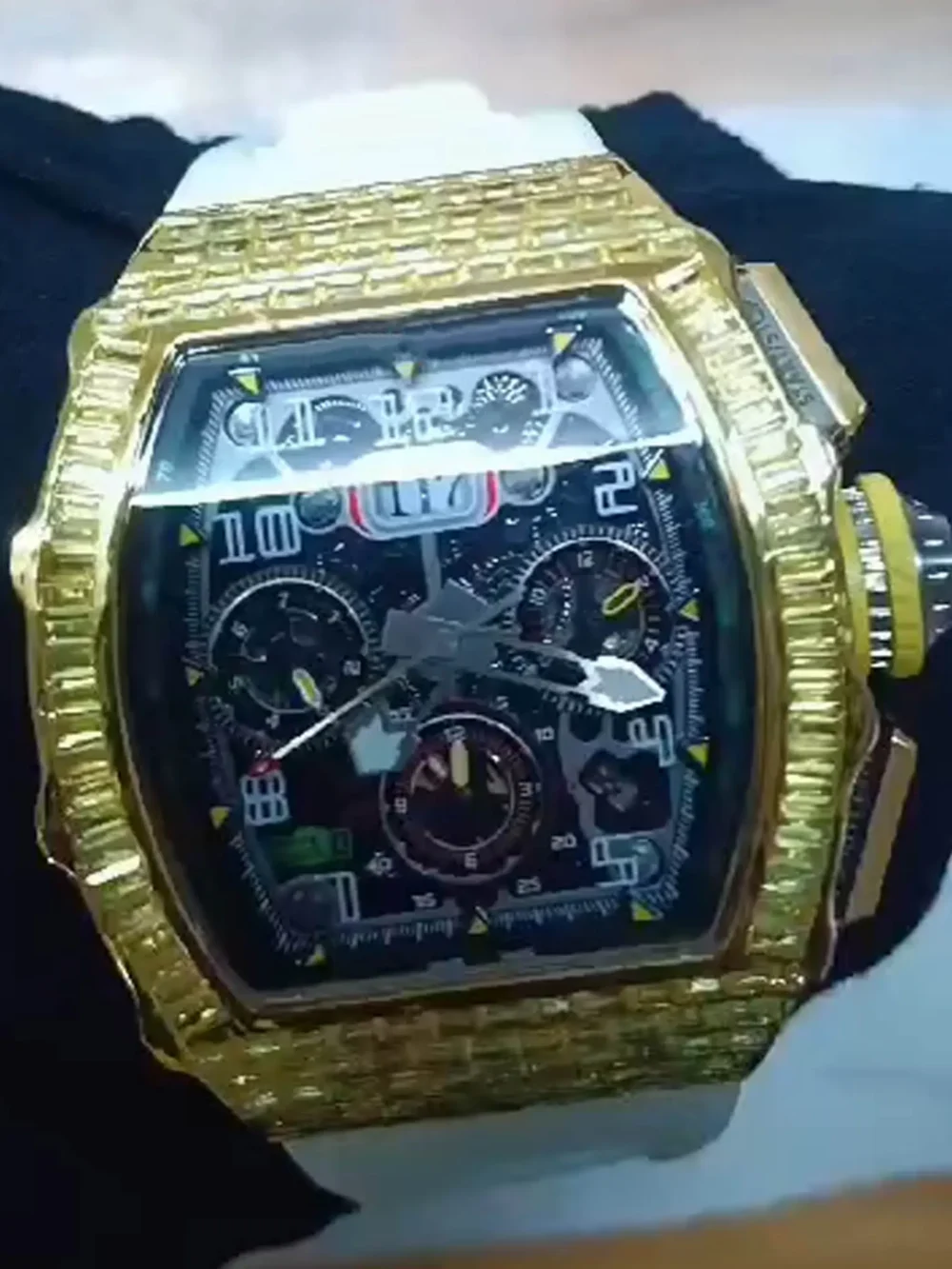
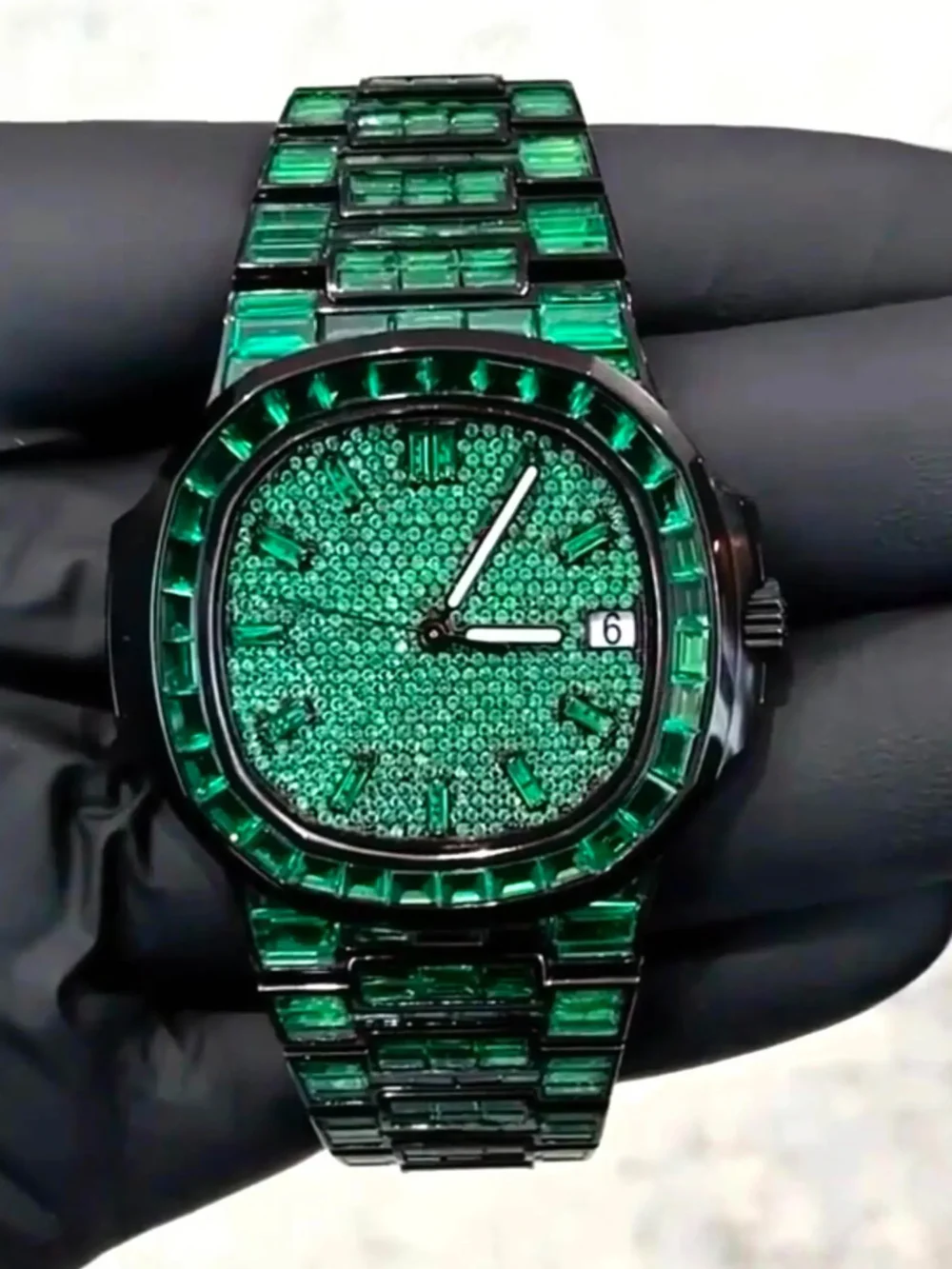
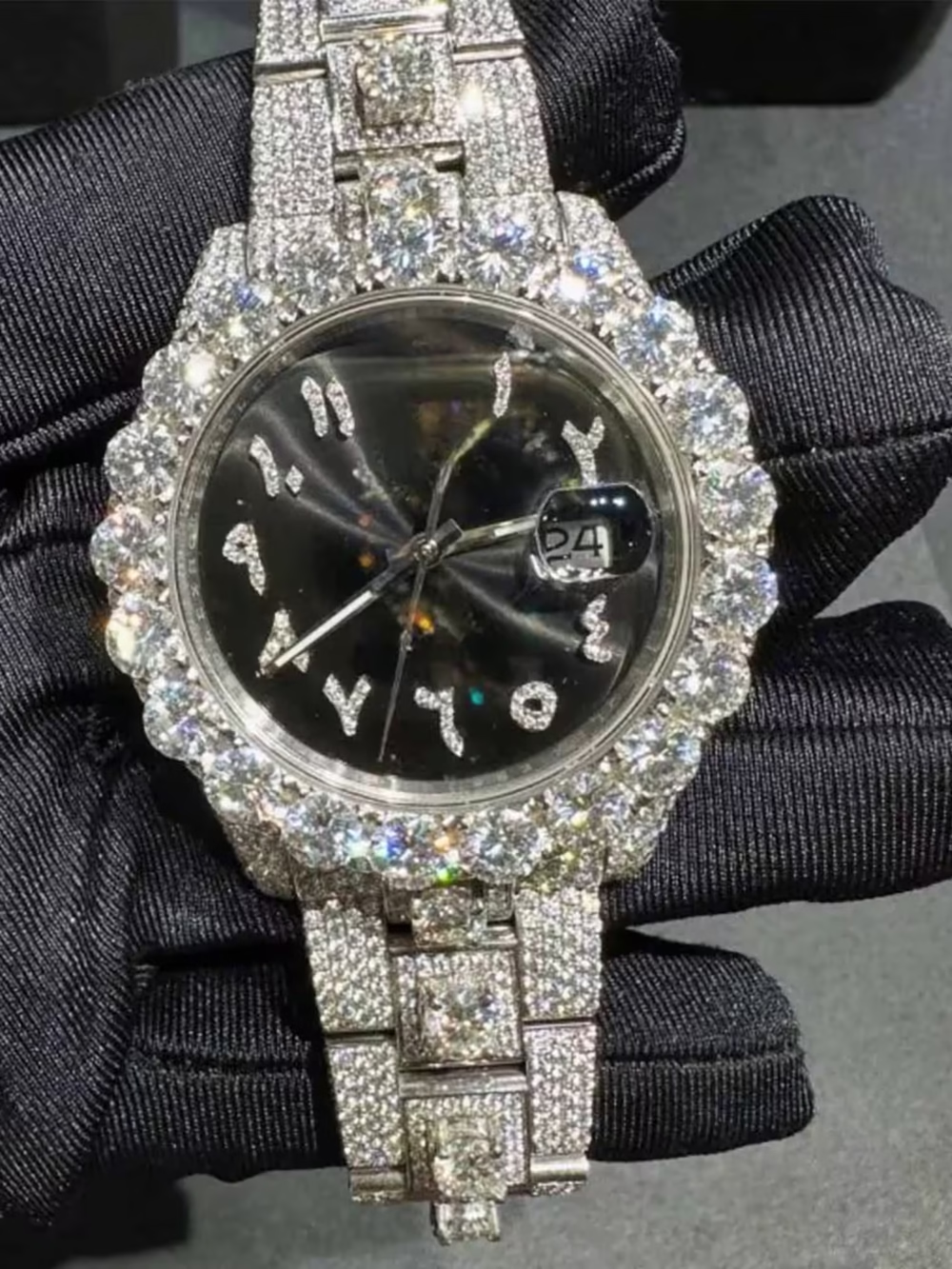
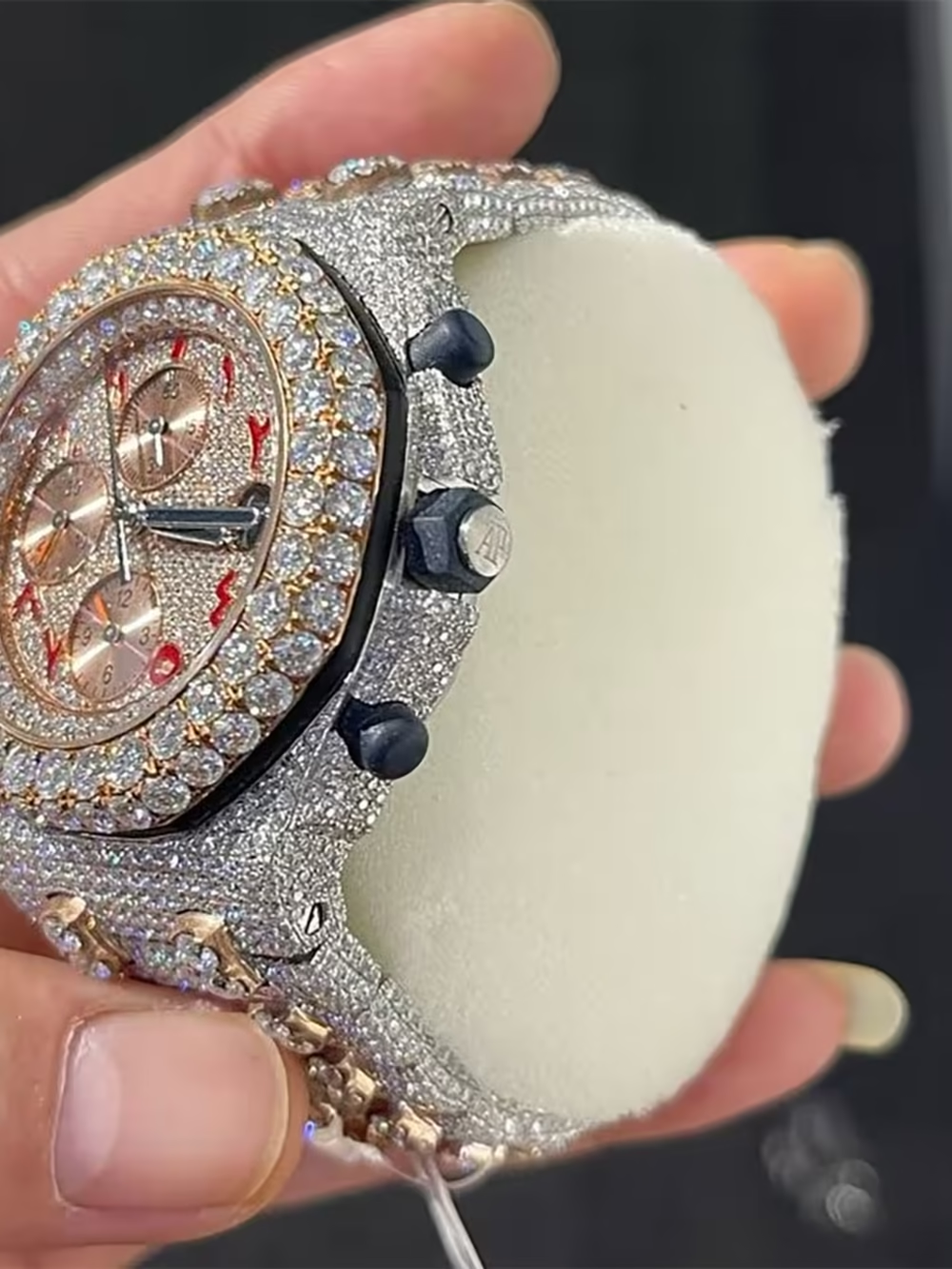
While Roman numerals and standard Western digits have long dominated the industry, the flowing geometry of Arabic calligraphy—paired with the high-refractive brilliance of Moissanite—has created a new category of “Bust Down” excellence. At IcedJewelz, we’ve observed this transition firsthand as collectors move toward timepieces that tell a story beyond just the hour.
1. The Cultural Significance of Arabic Numerals in Luxury Watches
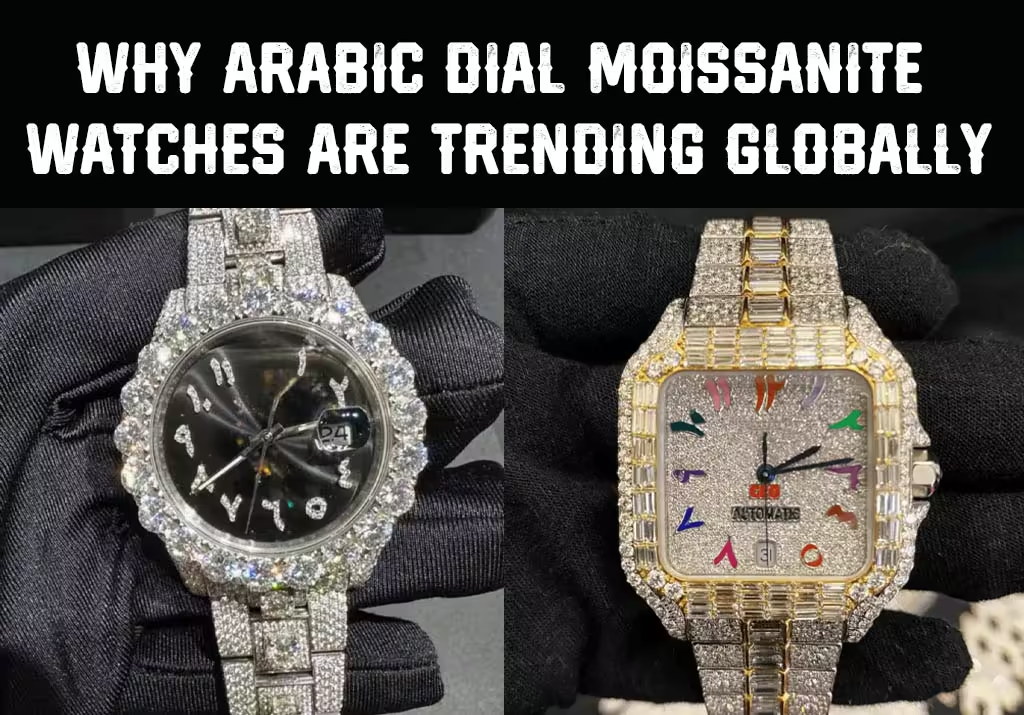
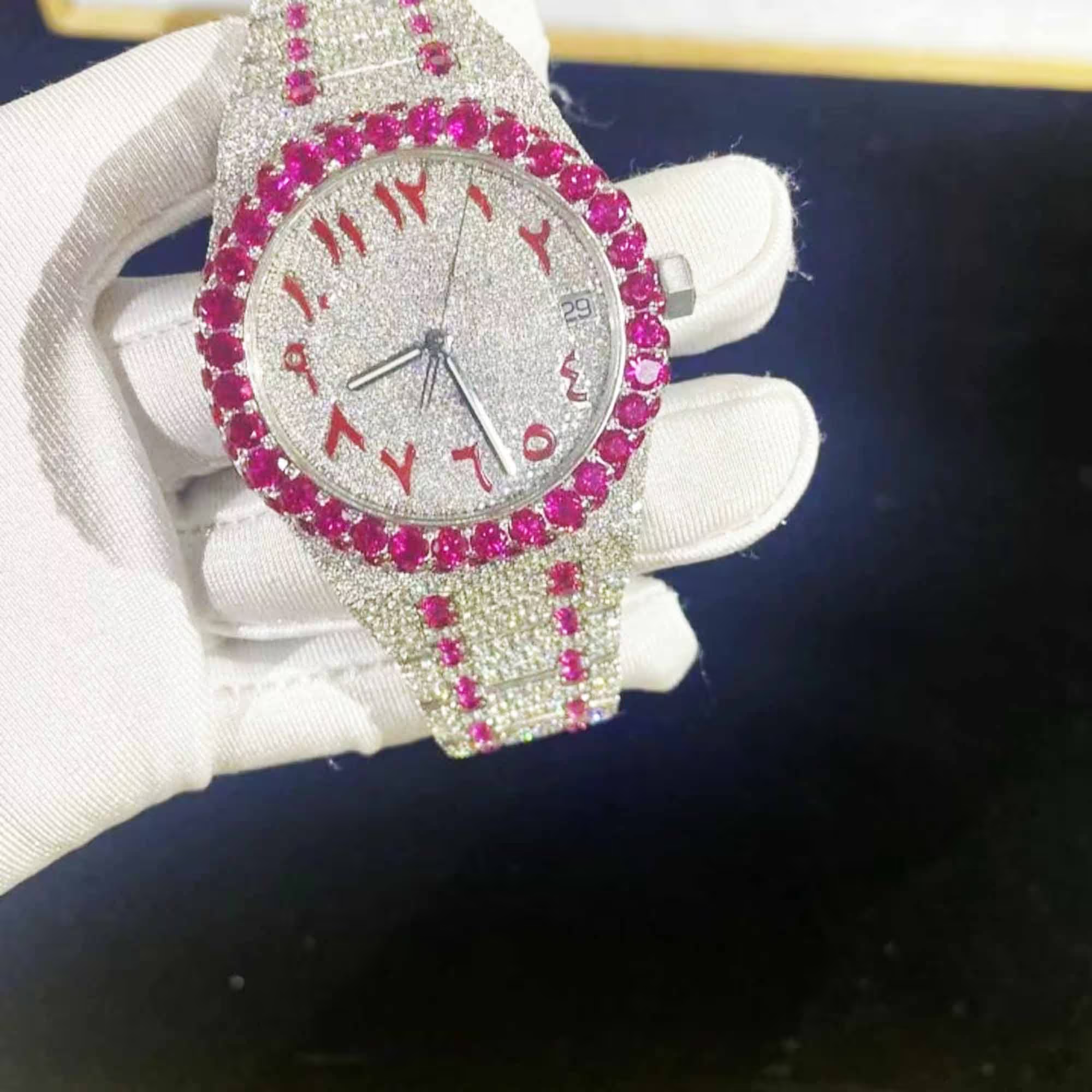
To understand the trend, one must first understand the history. Ironically, what the Western world calls “Arabic numerals” (0, 1, 2, 3…) actually originated in India. However, the Eastern Arabic numerals used on these trending dials (١, ٢, ٣, ٤…) hold a deep-rooted significance in Islamic art and architecture.
Historically, luxury watch houses like Rolex and Patek Philippe produced Arabic dials as exclusive, limited-run “Special Orders” for Sultans and royal families in the GCC (Gulf Cooperation Council) region. In 2026, these dials are no longer just for royals. They symbolize a respect for Eastern heritage and a desire for a “Global Citizen” aesthetic. The calligraphy on a custom iced out moissanite watch acts as a bridge between high-stakes modern business and centuries of tradition.
2. Why Arabic Dial Watches Appeal to Middle Eastern Buyers
For the Middle Eastern buyer, an Arabic dial is a homecoming. It is a rare instance where high-end Swiss-inspired engineering speaks their primary language.
The “Majlis” Factor: In traditional social gatherings (Majlis), jewelry and watches are central points of conversation. An Arabic dial is an immediate “Trust Signal,” showing that the wearer values their roots.
Modernity Meets Faith: Many buyers in Dubai, Doha, and Riyadh are looking for pieces that complement traditional attire like the Thobe or Kandura. The understated elegance of a classic moissanite diamond automatic watch with Arabic script provides a texture that Western numerals simply cannot match.
3. How Arabic Calligraphy Influences Luxury Watch Design
Calligraphy is considered the highest form of art in many Eastern cultures because it balances mathematical precision with organic flow. When applied to a watch face, this creates a “Circular Harmony.”
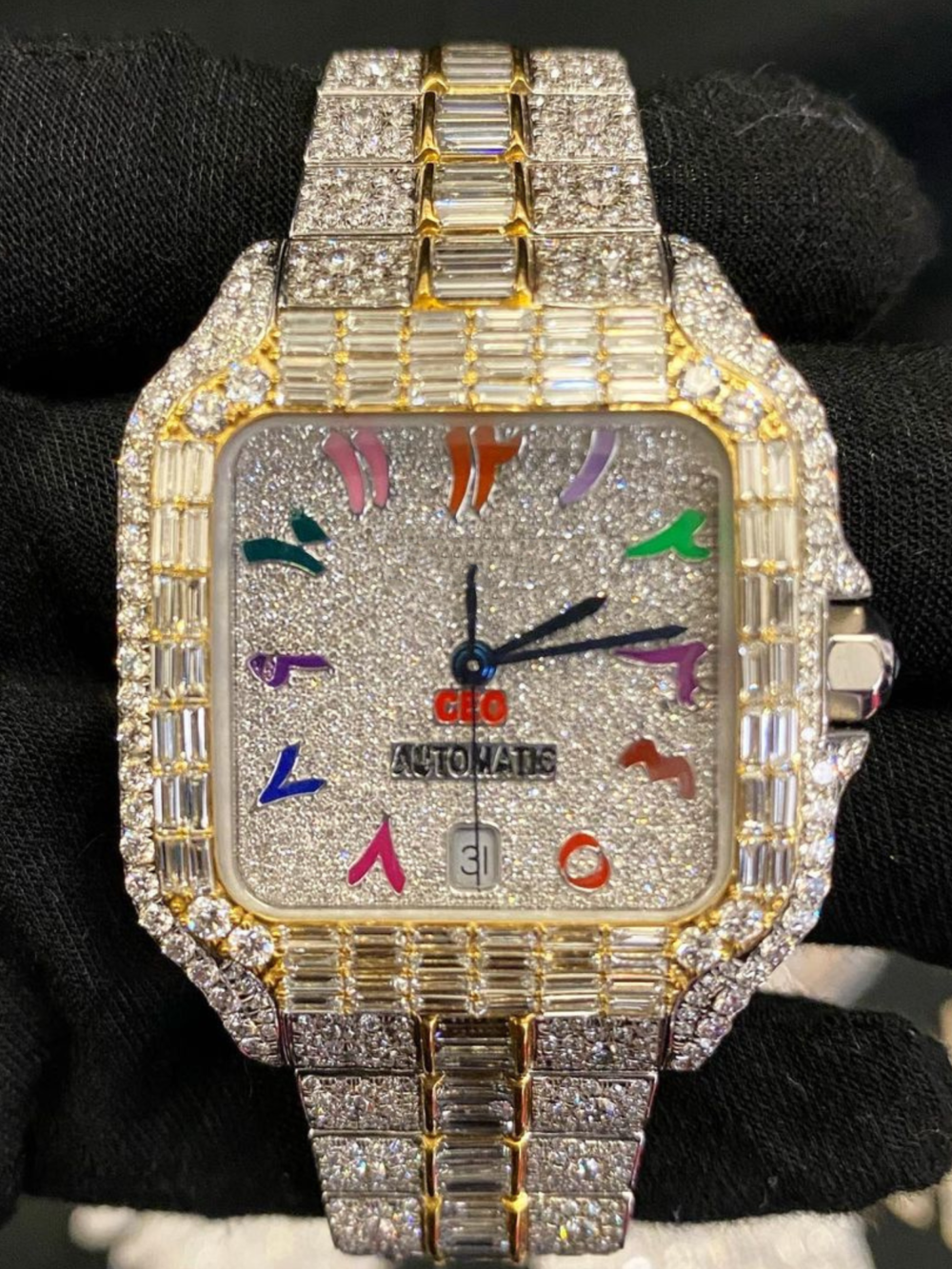
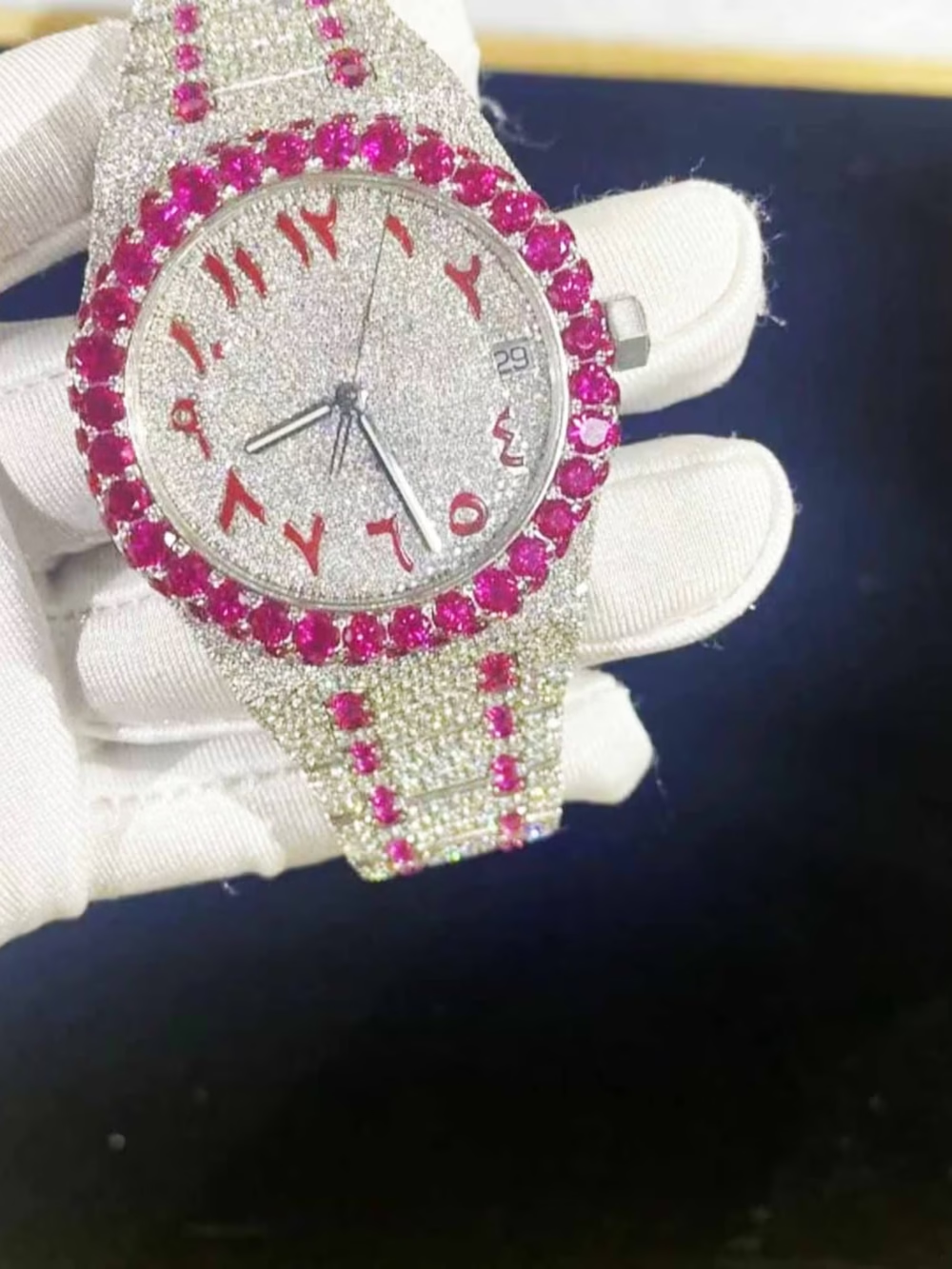
The way the character for ‘8’ (٨) or ‘7’ (٧) sits on a dial creates a verticality that draws the eye toward the center of the watch. When these characters are set against a backdrop of VVS stones, such as in a diamond moissanite watch for everyday, the light refraction doesn’t just bounce off the bezel; it highlights the script. This influence has forced designers to rethink “Dial Real Estate,” moving away from cluttered faces toward minimalist calligraphic layouts.
4. Arabic Dial vs. Roman Dial Watches – Which Is More Stylish?
The debate between Arabic and Roman dials is one of Architecture vs. Art.
Roman Dials: Use heavy, straight lines (I, V, X). They represent a “Colonial” or “Classic Corporate” look. They are rigid and formal.
Arabic Dials: Use curves and points. They feel more “Fluid” and “Contemporary.”
The Verdict: In 2026, the Arabic dial is considered more stylish for those who want to stand out. While a Roman dial says “Old Money,” an Arabic Moissanite dial says “New Global Wealth.” For those who prefer a traditional silhouette with a modern twist, the classic moissanite diamond automatic bust down offers a level of visual intrigue that Western markets are currently obsessed with.
5. From Tradition to Trend: Rise of Arabic Design in Modern Jewelry
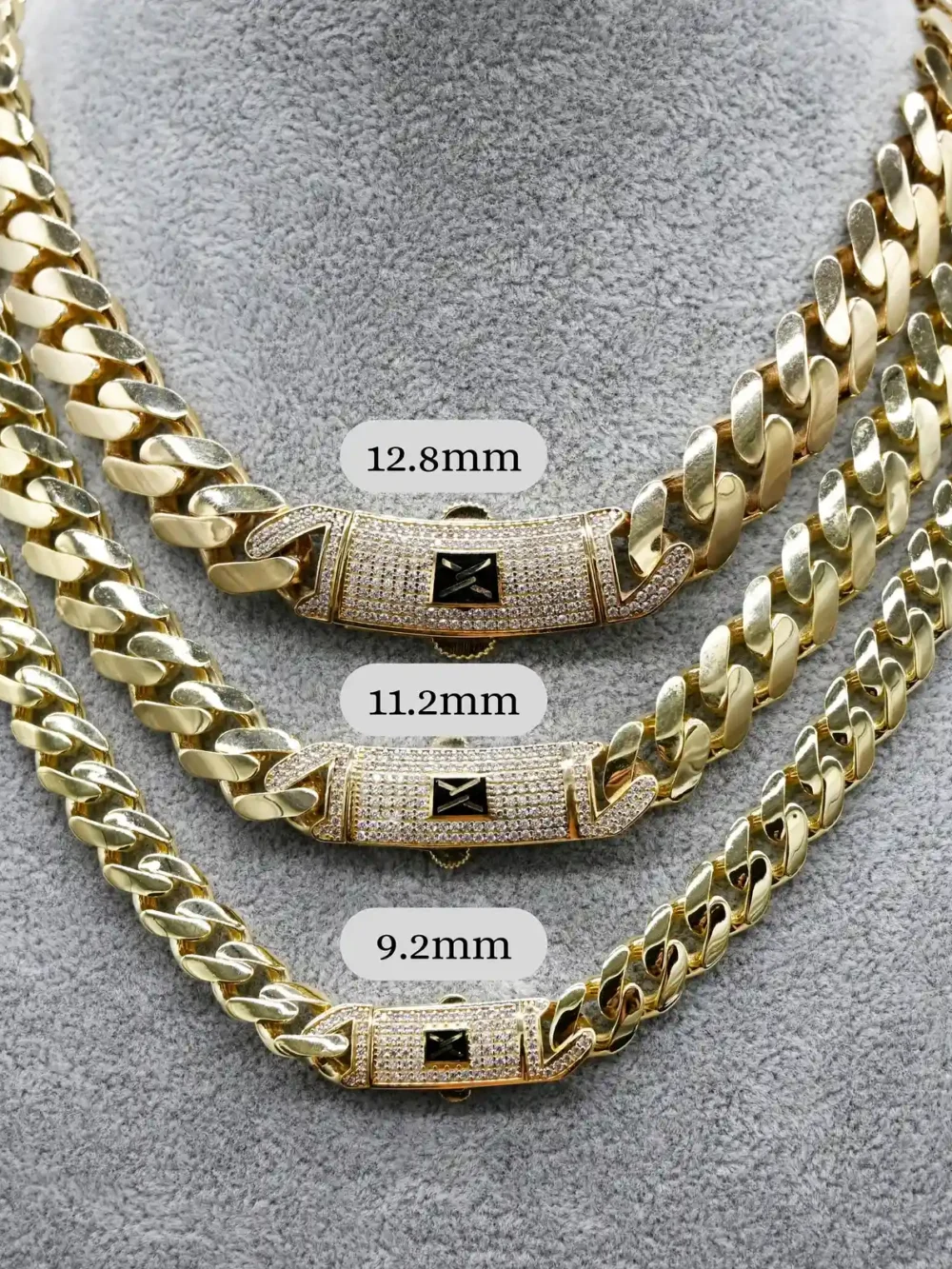
The trend has expanded far beyond the dial. We are seeing the rise of Arabic script in “Nameplate” necklaces and “Seal” rings. The jewelry industry has realized that the complexity of the script provides a perfect canvas for Moissanite setting.
Because Moissanite has a higher refractive index than natural diamonds, it can make small, intricate calligraphic details “pop” from across a room. This has made the stainless steel iced out VVS moissanite watch a favorite for anniversary gifts, where the date or a name is often engraved in Arabic on the case back to match the dial.
6. Arabic Dial vs. Standard Numeric Watches
Standard numeric watches (1, 2, 3) are designed for utility. They are the “Tool Watches” of the world. Arabic dial watches are designed for presence.
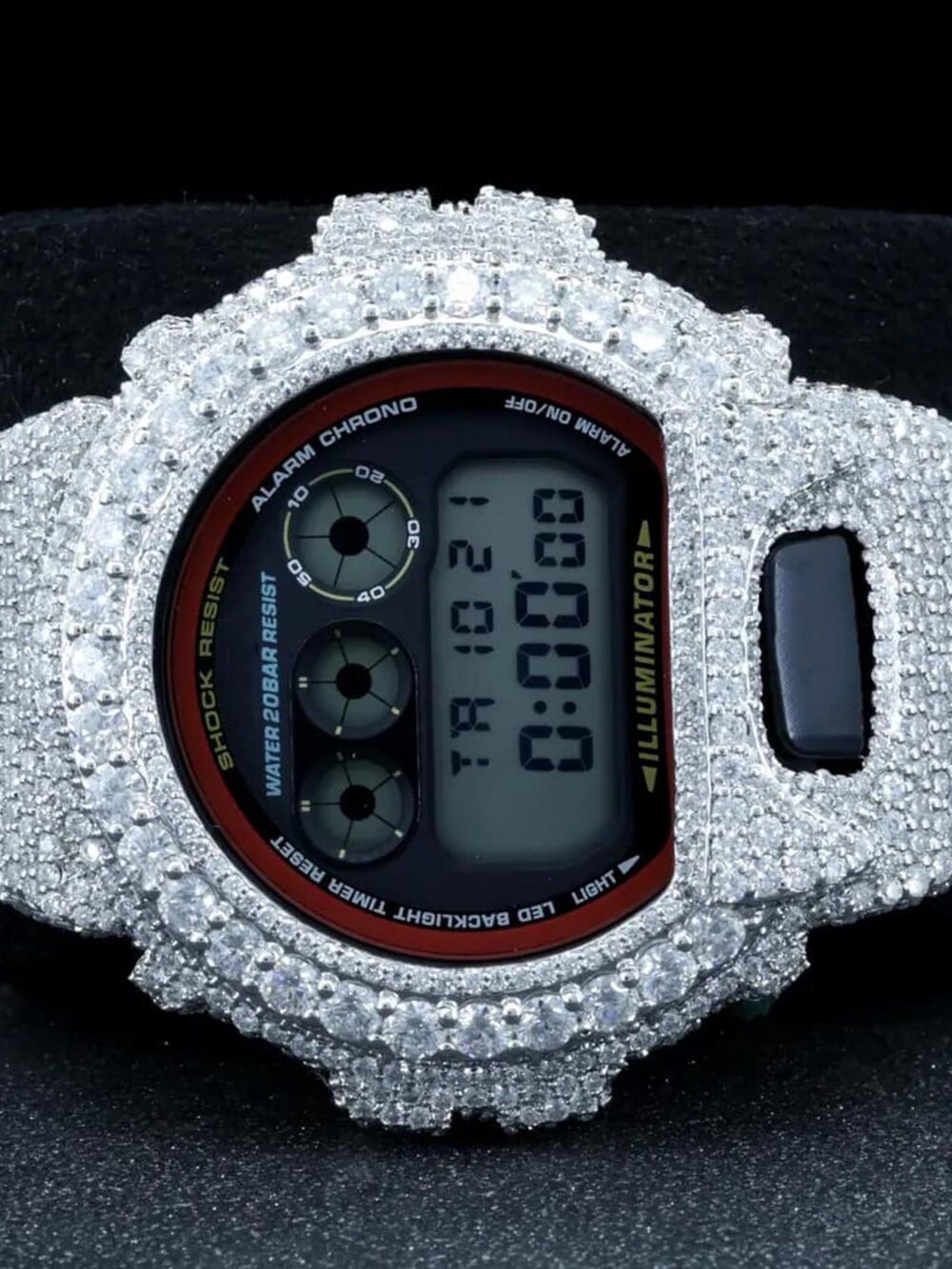
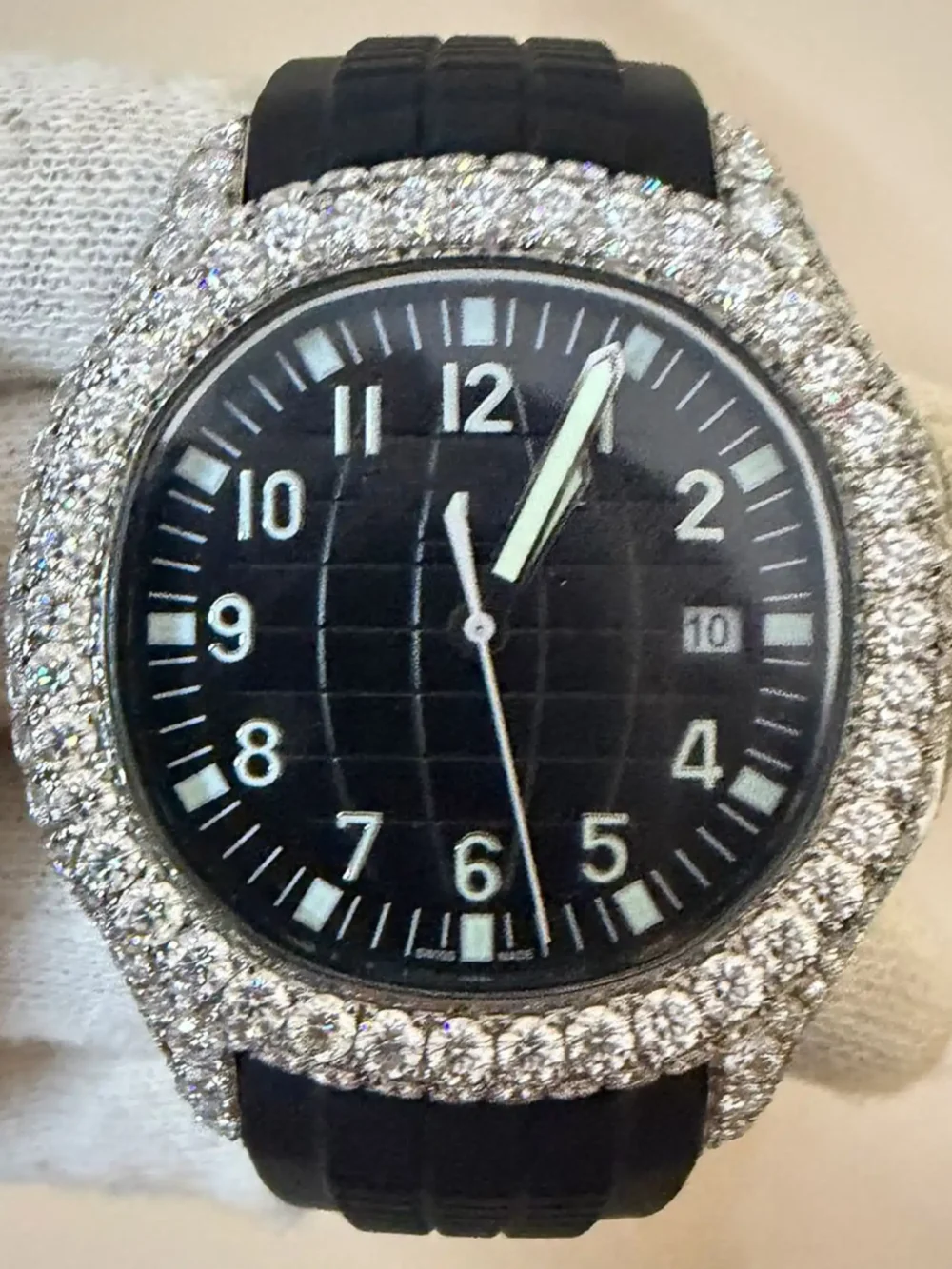
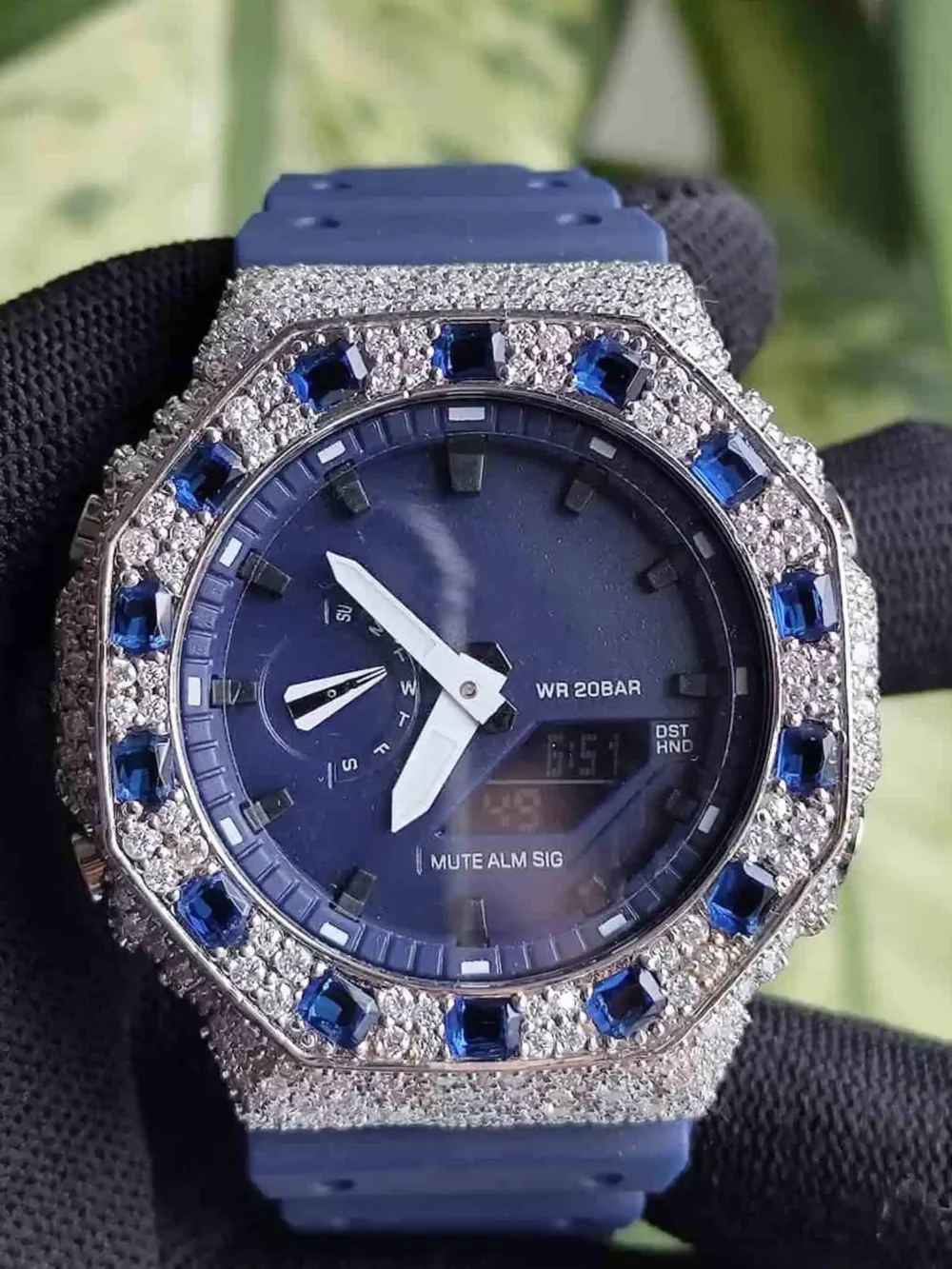
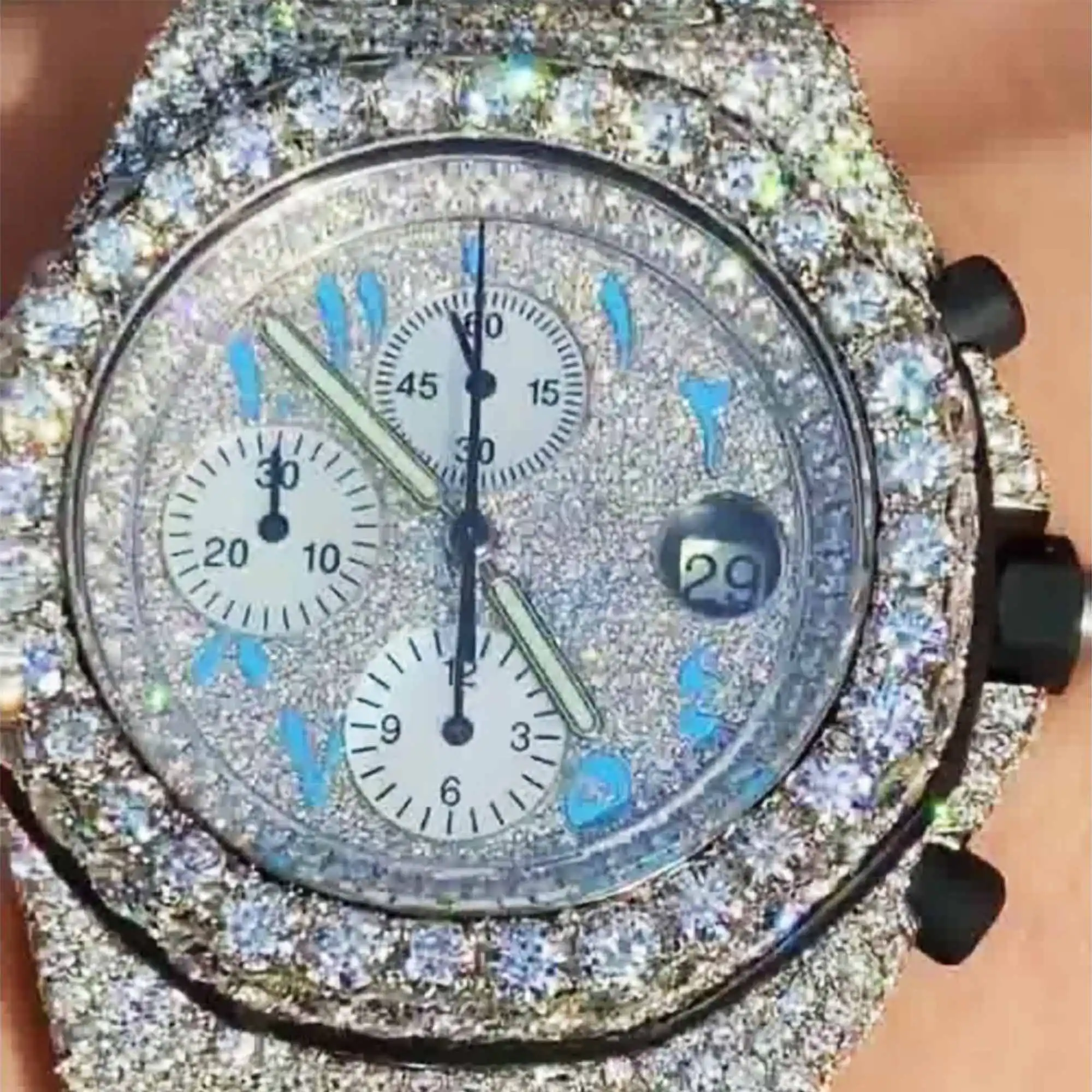
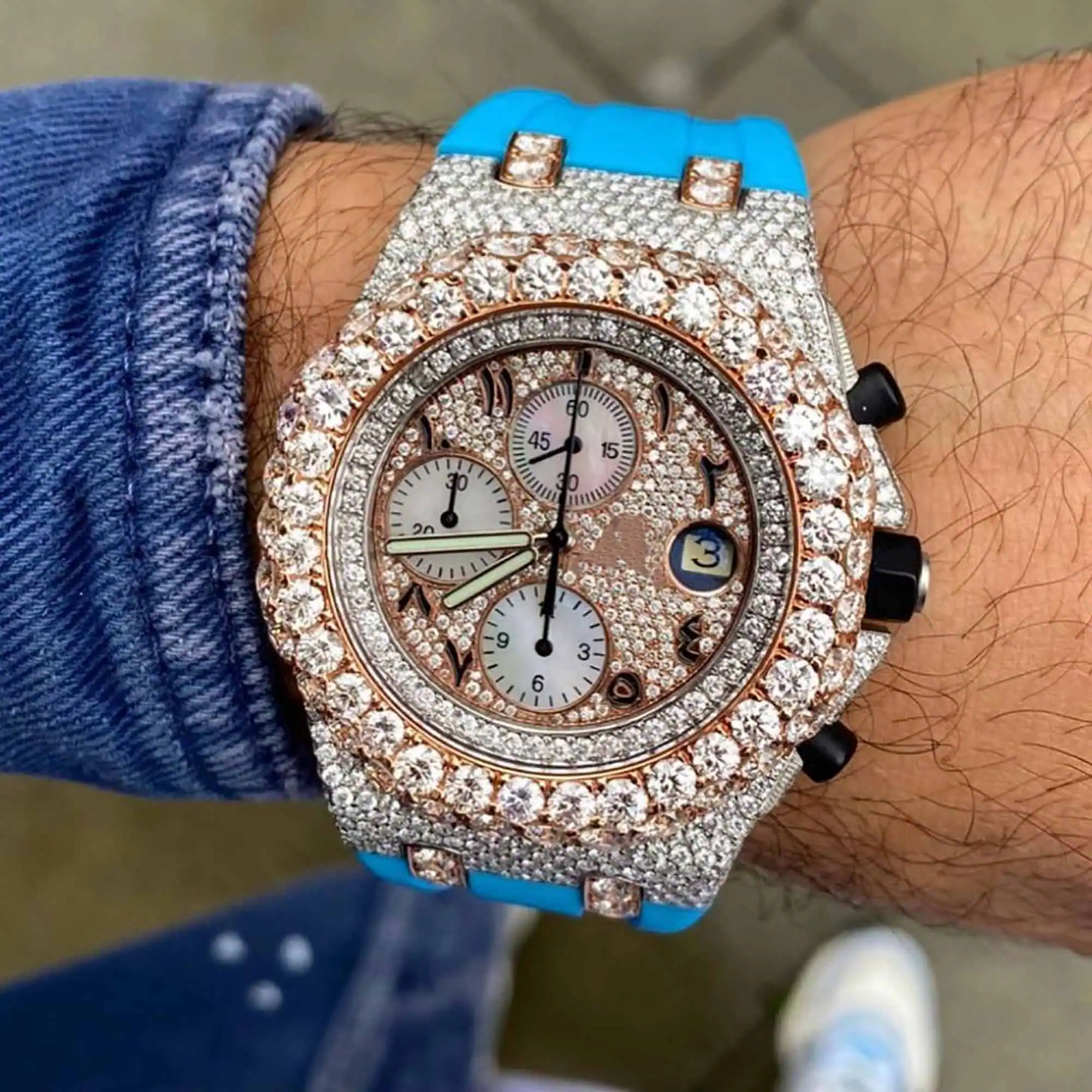
When you look at a diamond moissanite watch for those who love to shine, you aren’t just looking for the time; you are looking at a composition. Standard numbers feel like a spreadsheet; Arabic script feels like a painting. This is why the moissanite diamond iced out silicone band watch has become popular in the “Sport-Luxury” sector—it takes a functional, everyday item and elevates it to a cultural statement.
Setting VVS Moissanite on an Arabic dial is significantly harder than a standard dial. The varying thicknesses of the script mean that stones must be hand-selected for size. IcedJewelz utilizes 3D laser mapping to ensure that the stones follow the curve of the script without obscuring the characters. This attention to detail is what separates a premier moissanite watch vendor from a generic marketplace seller.
7. The Technical Challenge: Setting Stones on Calligraphy
Setting VVS Moissanite on an Arabic dial is significantly harder than a standard dial. The varying thicknesses of the script mean that stones must be hand-selected for size.
Under the guidance of CEO Hema Khatwani, IcedJewelz has specialized in this “Micro-Setting” technique. By using 3D laser mapping, our Surat-based artisans ensure that the stones follow the curve of the script without obscuring the characters. This attention to detail is what separates a premier moissanite watch vendor from a generic marketplace seller.
8. The Sustainability Angle: Moissanite and Ethics
In 2026, the “Global Arabic Trend” is also fueled by a move toward ethical luxury. The Middle Eastern market is becoming increasingly eco-conscious. Choosing a Moissanite Arabic dial allows the wearer to honor their culture while supporting conflict-free, lab-grown brilliance. This is the definition of “Sustainable Luxury,” a category where the classic moissanite diamond automatic watch excels by providing 100% diamond-tester-positive results without the environmental toll of mining.
9. Conclusion: Why the Trend is Here to Stay
The Arabic dial Moissanite watch is not a “passing fad.” It is the result of a globalized world where buyers are looking for deeper meaning in their luxury goods. It represents a shift away from “Brand Names” toward “Cultural Artistry.”
Whether it’s the fluid geometry of the numbers or the unmatched “fire” of the stones, these timepieces offer a unique value proposition. They are pieces of history, re-engineered for the 21st century.
The global explosion of Arabic dials isn’t accidental. It is the result of a deliberate push for “Cultural Artistry” in the jewelry sector. As Hema Khatwani, the visionary Founder and CEO of IcedJewelz, recently explained:
“In 2026, a watch is no longer just a tool for time; it is a canvas for identity. We are seeing a massive shift where our clients in the USA and UK are specifically requesting Arabic scripts because they represent a ‘Global Citizen’ mindset. My mission has always been to bridge the gap between heritage Indian craftsmanship and Western urban culture. The Arabic dial is the perfect symbol of that fusion—it’s exotic, it’s precise, and when set with VVS Moissanite, it is undeniably elite.”
Khatwani’s leadership has pivoted the brand toward these culturally significant pieces, ensuring that each custom iced out moissanite watch meets the rigorous standards of both Middle Eastern tradition and Western “Bust Down” trends.
FAQ on Why Arabic Dial Moissanite Watches Are Trending Globally 2026
Is it harder to read an Arabic dial watch?
For those used to standard numbers, it takes roughly 24–48 hours for the brain to adjust. However, because the positions of the numbers (12, 3, 6, 9) remain the same, most users find it intuitive. Many collectors prefer the classic automatic bust down specifically because the script acts as a beautiful geometric marker rather than just a number.
Why is Moissanite preferred for calligraphic dials over natural diamonds?
Precision. Moissanite can be grown and cut to exact micron-specifications in a lab, which is essential for fitting stones into the tight curves of Arabic calligraphy. Natural diamonds often have internal inclusions that make such fine "Bust Down" work risky and prone to stone cracking.
Do Arabic dials have a higher resale value?
In 2026, yes. The scarcity of high-quality Arabic dials compared to standard numeric versions has created a strong "Collector's Premium" in the secondary market.
Can I get a custom Arabic dial on a silicone strap watch?
Absolutely. The moissanite silicone band watch is a trending choice for those who want the cultural aesthetic of an Arabic dial in a more casual, "Daily Driver" format.
Are these dials culturally appropriate for non-Arabic speakers?
In 2026, the global jewelry community views the wearing of Arabic dials as an appreciation of art and history. Much like Roman numerals are worn globally, Arabic script is celebrated as a hallmark of mathematical and aesthetic beauty.