
The best discounts this week
Every week you can find the best discounts here.
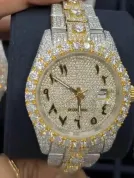
GRA Certified Moissanite Bustdown Watch
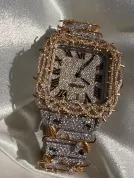
Custom Iced-Out Crown of Thorns Watch
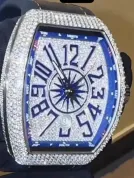
VVS1 Moissanite “Blue Vanguard” Tonneau Custom Watch
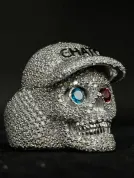
IcedJewelz Custom VVS1 Moissanite “Chato Skull” Statement Ring
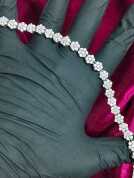
IcedJewelz VVS1 Moissanite “Floral Frost” Cluster Tennis Bracelet
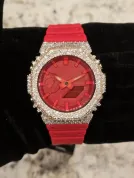
IcedJewelz “Crimson Frost” Custom Octagon Digital – Two-Tone VVS1 Moissanite Edition
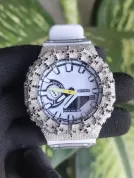
IcedJewelz “Black Cross” Custom Octagon Digital – White Strap VVS1 Moissanite Edition
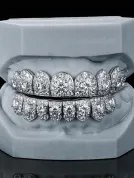
Custom Personalized Moissanite Diamond Grillz – S925 Honeycomb Edition
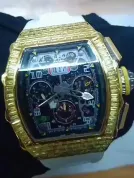
IcedJewelz Gold “RM Edition” – Lab-Created Yellow Sapphire & White Rubber Strap
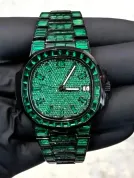
IcedJewelz “Emerald Glacier” – VVS1 Moissanite Fully Flooded Black & Green Edition
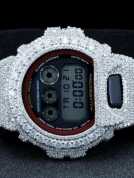
IcedJewelz VVS1 Moissanite Custom Digital Sport Watch – “The Glacier” Edition
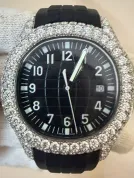
IcedJewelz Fully Iced Out Custom Sport Watch – Black & Olive Green Edition
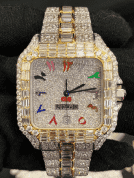
Custom Two-Tone Baguette Bezel Arabic Watch – VVS Moissanite Rainbow Dial Bust Down
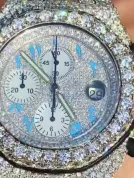
Custom Arabic Dial Chronograph Jumbo Flower Bezel Bust Down Watch – VVS Moissanite Blue Edition
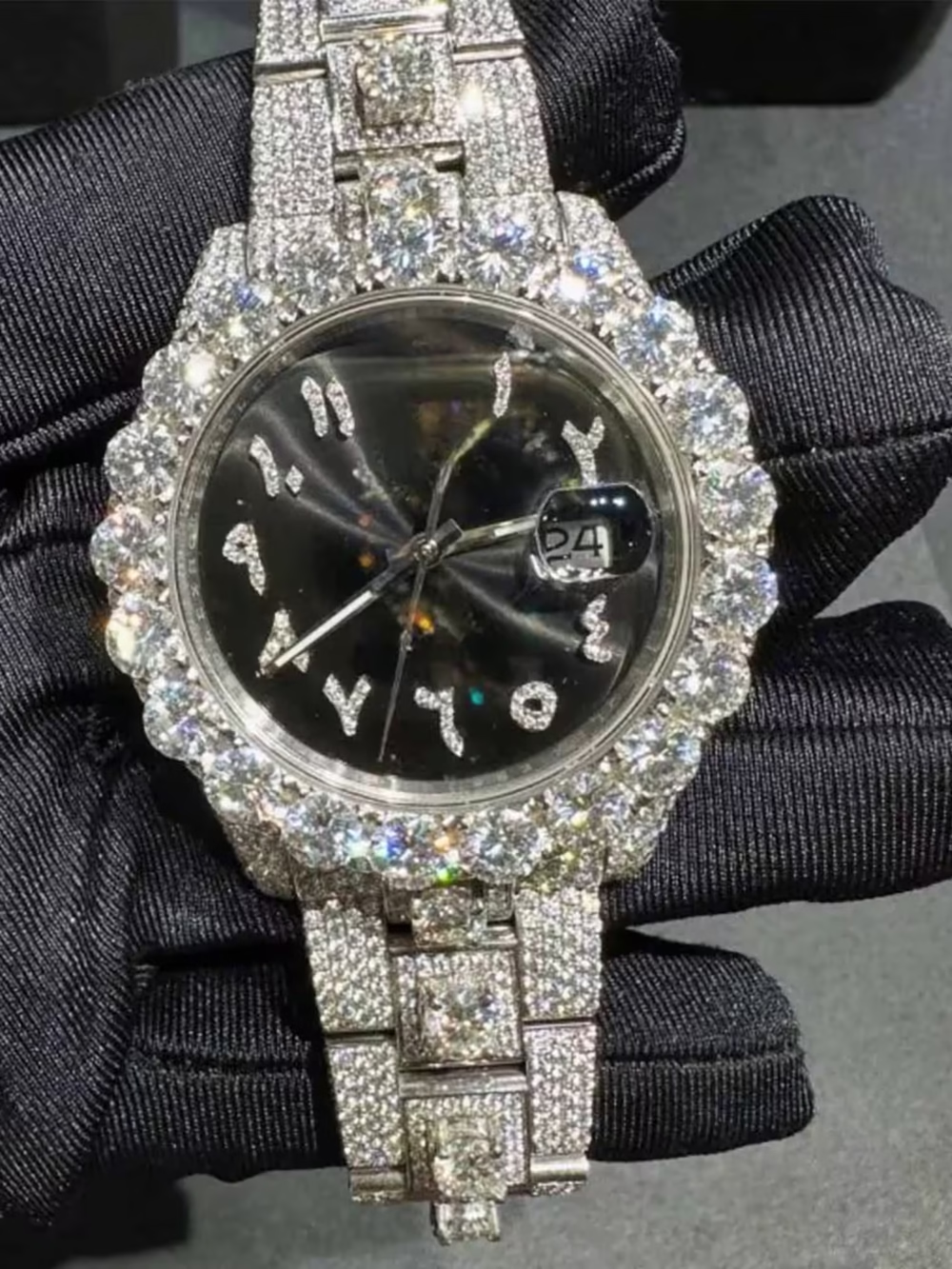
Custom Arabic Dial Jumbo Flower Bezel Bust Down Watch – VVS Moissanite Two-Tone Ice
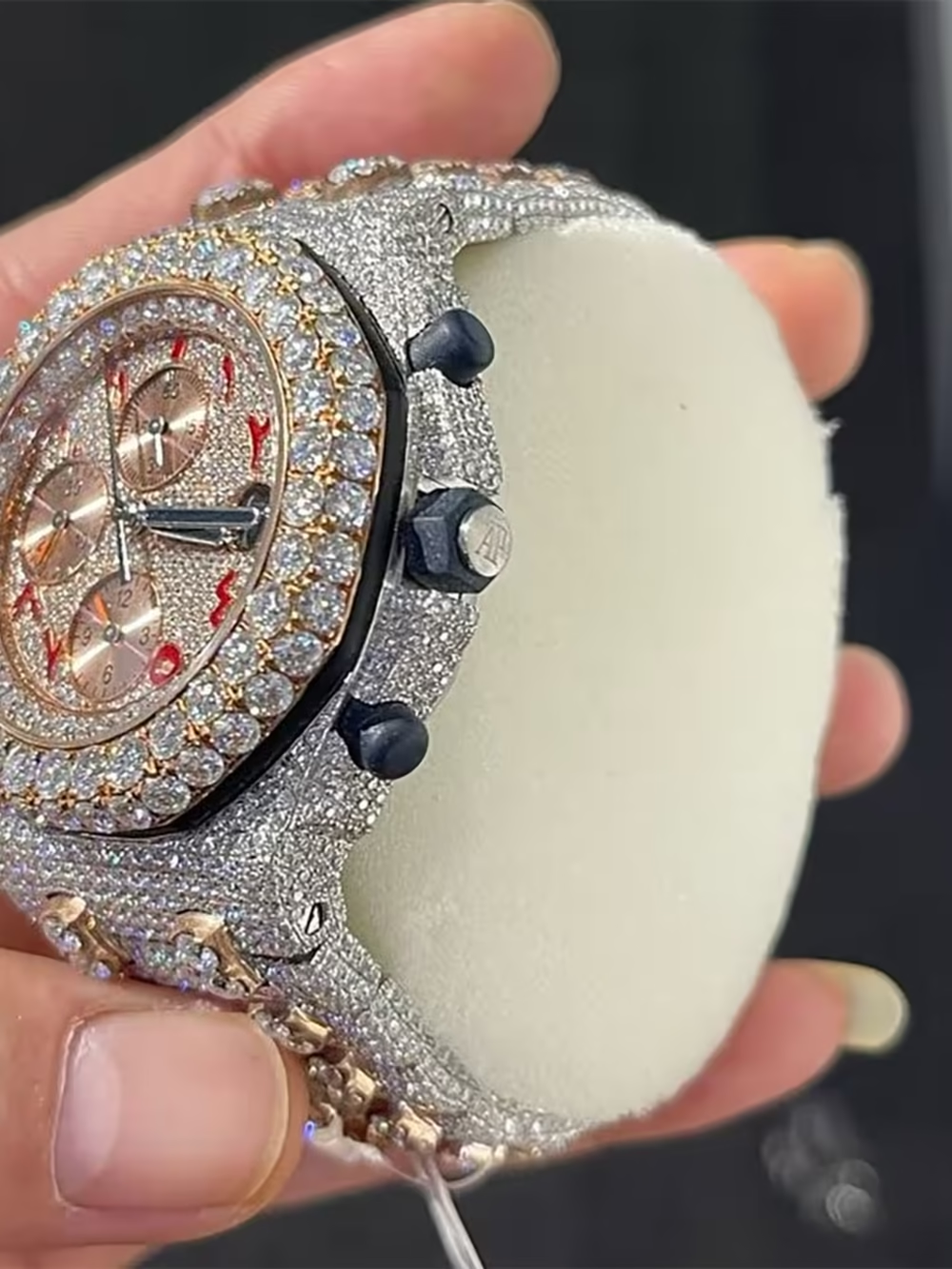
Custom Arabic Dial Two-Tone Rose Gold Chronograph – VVS Moissanite Double Flower Bezel Bust Down
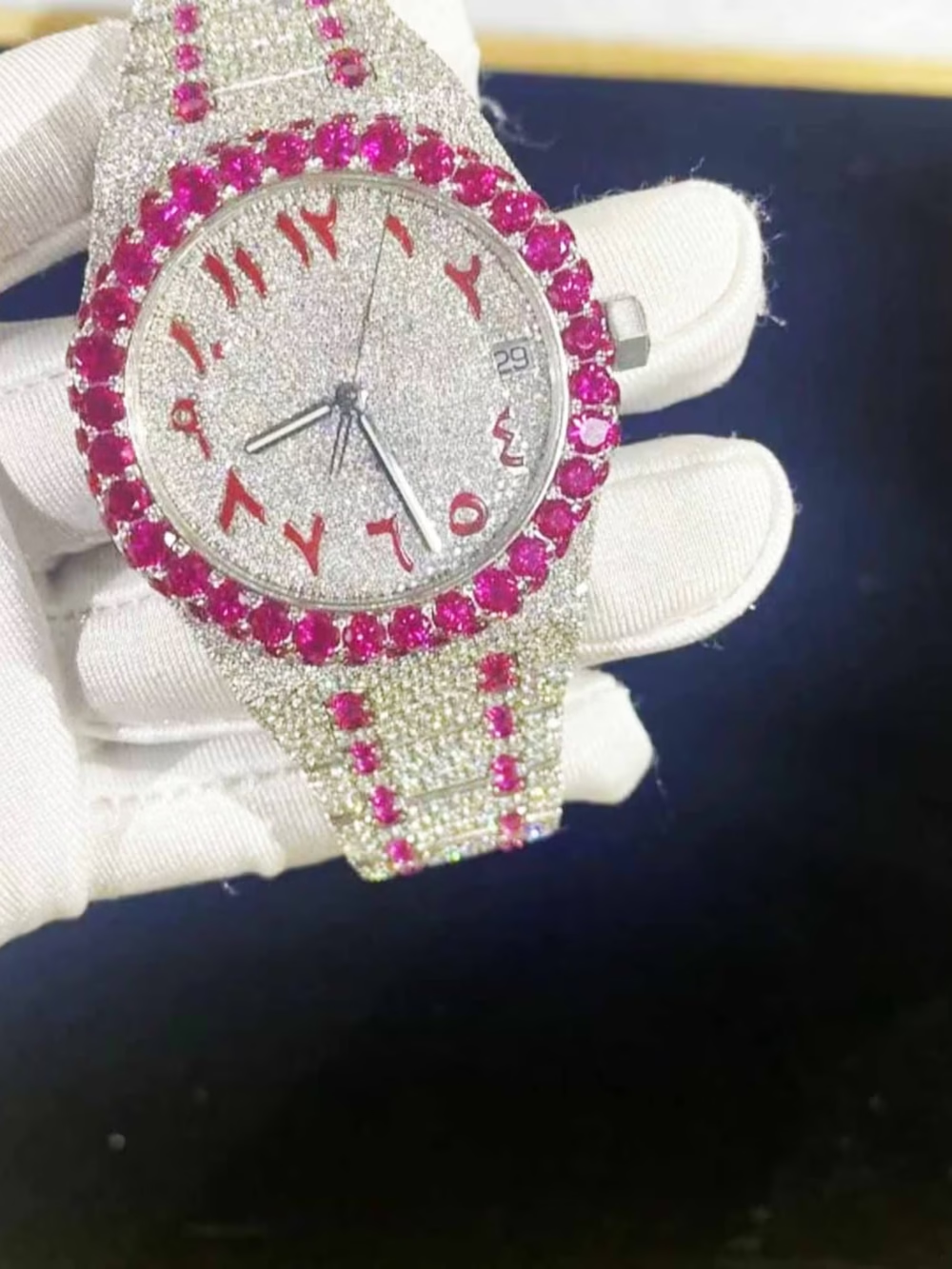
IcedJewelz Custom Arabic Dial Bust Down Watch – VVS Moissanite with Pink Sapphire Bezel
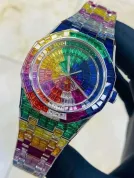
IcedJewelz “Billionaire” Edition Rainbow Moissanite Watch – VVS1 Hand-Set Bust Down Skeleton Tourbillon Style
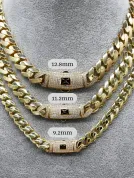
IcedJewelz Solid 10K Gold Miami Cuban Link – Custom Iced Box Lock (9mm – 13mm)
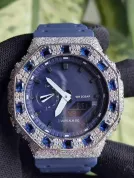
IcedJewelz Custom Moissanite Navy Blue Edition | VVS Moissanite & Sapphire Accents
Iced-Out Watches vs Moissanite Watches vs Lab-Grown Watches: What’s the Difference?

The first mistake is treating “iced-out,” “moissanite,” and “lab-grown” like three versions of the same thing. They aren’t.
If you’re trying to understand icedout watches vs moissanite watches vs labgrown watches what is the difference, think of it this way: iced-out is the style, moissanite is one stone choice, and lab-grown usually means lab-grown diamonds in the setting. Before you pay real money for a watch that only looks rich in product photos, start with our iced-out watches vs moissanite watches vs lab-grown watches difference guide.
The Real Difference: Iced-Out vs Moissanite vs Lab-Grown Watches
An iced-out watch is any watch covered in stones. Those stones might be cubic zirconia, moissanite, natural diamonds, or lab-grown diamonds.
A moissanite watch is usually an iced-out watch set with moissanite stones. Moissanite is a lab-created gemstone known for its wild fire and rainbow sparkle.
A lab-grown watch usually means an iced-out watch set with lab-grown diamonds. These are chemically real diamonds, grown in a controlled lab instead of mined from the earth.
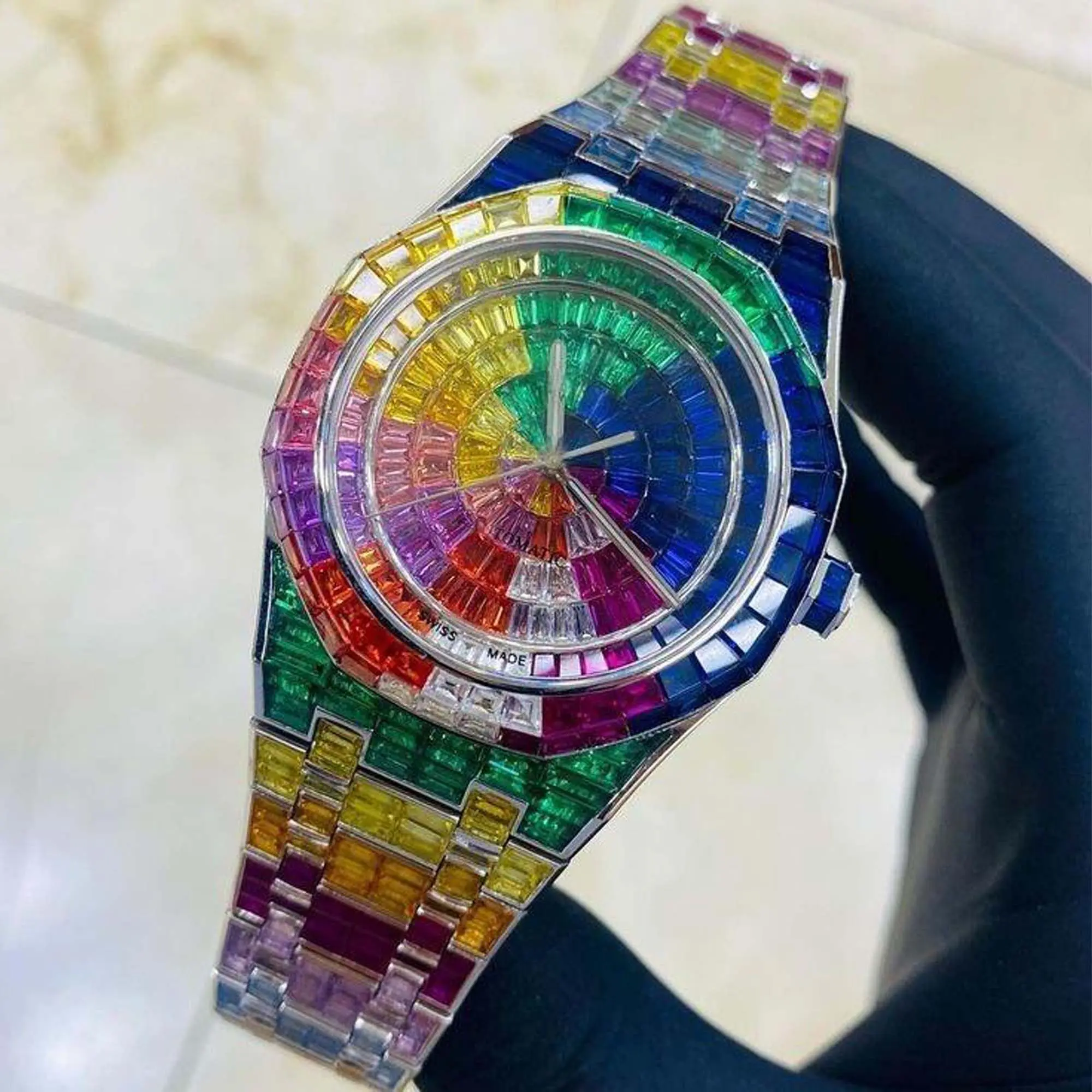
So you’re not really comparing three watch types. You’re separating four parts of the build:
- Iced-out = design style
- Moissanite = gemstone option
- Lab-grown diamond = gemstone option
- Base watch = movement, case, plating, and build quality underneath the stones
That “base watch” line is where a lot of sellers get conveniently quiet.
Cover a cheap brass watch in stones and you still have a cheap brass watch. Put those stones on stainless steel, add a Seiko or Miyota automatic, set everything cleanly, and now you’re looking at a watch that actually earns a second glance.
Quick Comparison Table
| Feature | Standard Iced-Out Watch | Moissanite Watch | Lab-Grown Diamond Watch |
|---|---|---|---|
| Typical stones | CZ, glass, moissanite, or diamonds | Lab-created moissanite | Lab-grown diamonds |
| Mohs hardness | CZ: 8–8.5 | 9.25 | 10 |
| Refractive index | CZ: approx. 2.15 | 2.65–2.69 | 2.42 |
| Thermal diamond tester result | Varies | Often passes basic testers | Passes diamond testers |
| Common metal base | Brass, alloy, stainless steel, 925 silver | Stainless steel, 925 silver, custom cases | Stainless steel, gold, platinum, 925 silver |
| Typical entry price | $100–$600 | $300–$2,000 | $1,500–$10,000+ |
| Best for | Flash on a budget | Maximum sparkle per dollar | Real diamond value without mined diamond pricing |
The quick takeaway: moissanite usually shouts the loudest under the lights, while lab-grown diamonds sit closest to natural diamonds in makeup, hardness, and status.
What “Iced-Out” Actually Means
“Iced-out” simply means the watch is covered in stones. The bezel, bracelet, lugs, case, dial, and even the clasp may be set.
But the word “iced-out” doesn’t tell you whether the job was clean or sloppy.
The better pieces use prong-setting or bead-setting, where metal holds each stone in place. Cheaper watches may use glued stones, which can fall out faster after sweat, heat, or daily wear.
Pay attention to the base metal too. Stainless steel is common and durable. 925 sterling silver feels more jewelry-like but can be softer. Brass or unknown alloy under thick plating is where many budget pieces disappoint.
Zoom in and look for the small stuff:
- Clean stone alignment around the bezel
- Even spacing on the bracelet links
- No cloudy glue around the stones
- Solid clasp action
- Weight that matches the listed material
- A real movement description, not just “premium mechanism”
If the listing hides the movement, case metal, and setting method, assume the seller is leaning on sparkle to distract you.
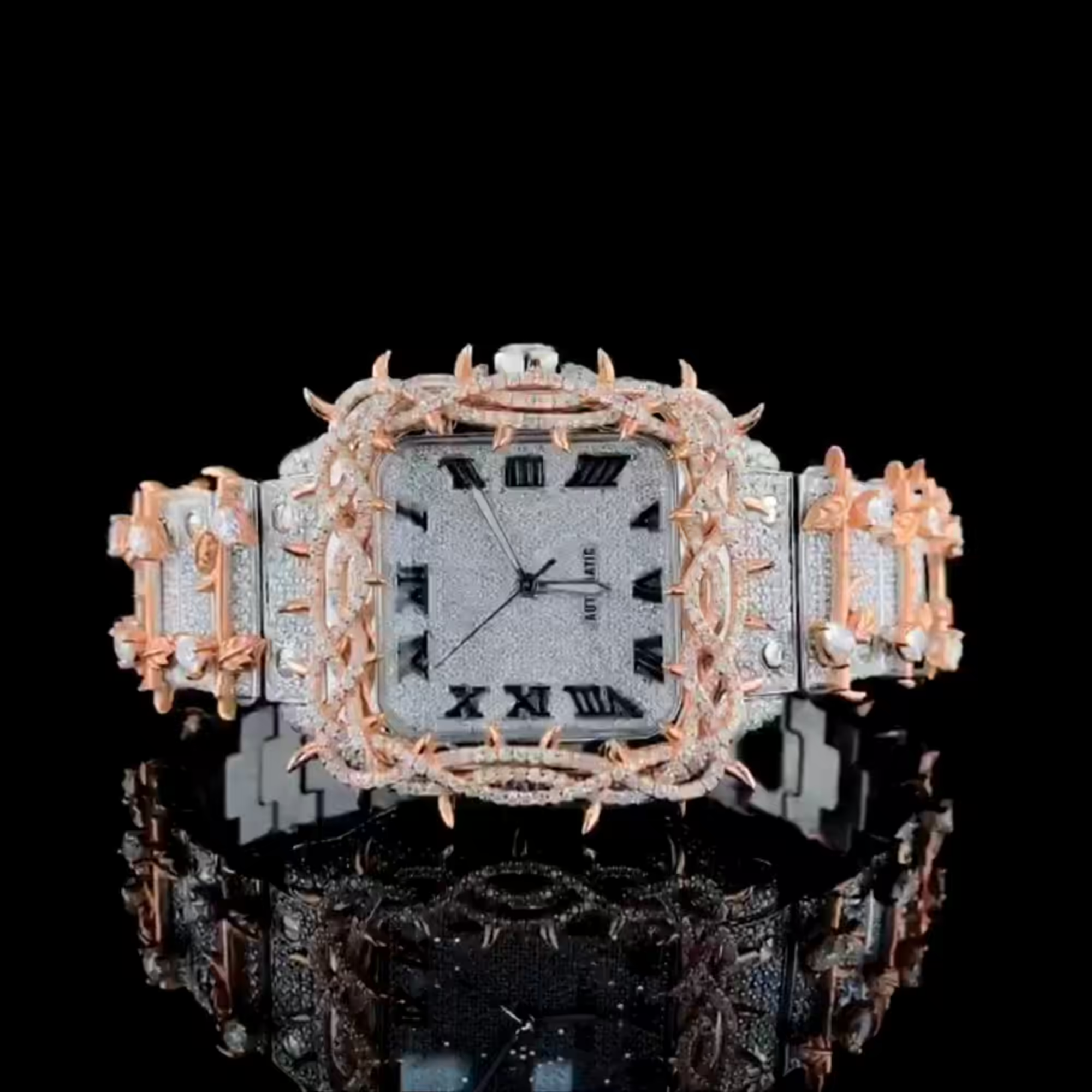
Why Moissanite Watches Look So Bright
Moissanite has a higher refractive index than diamond, which means it bends light more aggressively. That is why moissanite can throw big rainbow flashes under LED lights.
Some people love that. Others think it looks too fiery compared with diamonds.
On a watch, moissanite makes sense because the stones are usually small and numerous. A fully iced bezel or bracelet with VVS moissanite can look explosive without costing mined-diamond money.
Most quality moissanite watches come with a GRA-style report or stone card, but be careful. A card in the box doesn’t mean the setting work is any good. A great stone set poorly still makes a weak watch.
A practical test: check whether the stones are straight under close-up video. A watch can pass a thermal conductivity tester and still look sloppy if the setting work is uneven.
For more buying criteria, see our moissanite watch buying checklist before trusting product photos.
Lab-Grown Diamond Watches: The “Real Diamond” Middle Ground
Lab-grown diamonds are real diamonds. They have the same carbon structure as mined diamonds and score 10 on the Mohs hardness scale.
The only real difference is where they came from. They are grown using HPHT or CVD processes rather than extracted from the ground.
For watches, lab-grown diamonds make sense if you want the diamond label, better long-term credibility, and a more restrained sparkle than moissanite. They tend to flash white more than rainbow, especially in smaller melee stones.
They’re not automatically a bargain, either. A well-made lab-grown diamond watch still requires labor, matching stones, metalwork, and setting skill. The stones may be cheaper than mined diamonds, but the bench work still costs money.
Ask sellers for:
- Total carat weight
- Diamond clarity, such as VS or VVS
- Color grade, such as D–F or G–H
- Setting method
- Metal type and plating details
- Movement brand and serviceability
A “lab diamond watch” with no carat weight or clarity listed is not a serious listing. That’s just marketing dressed up as jewelry specs.
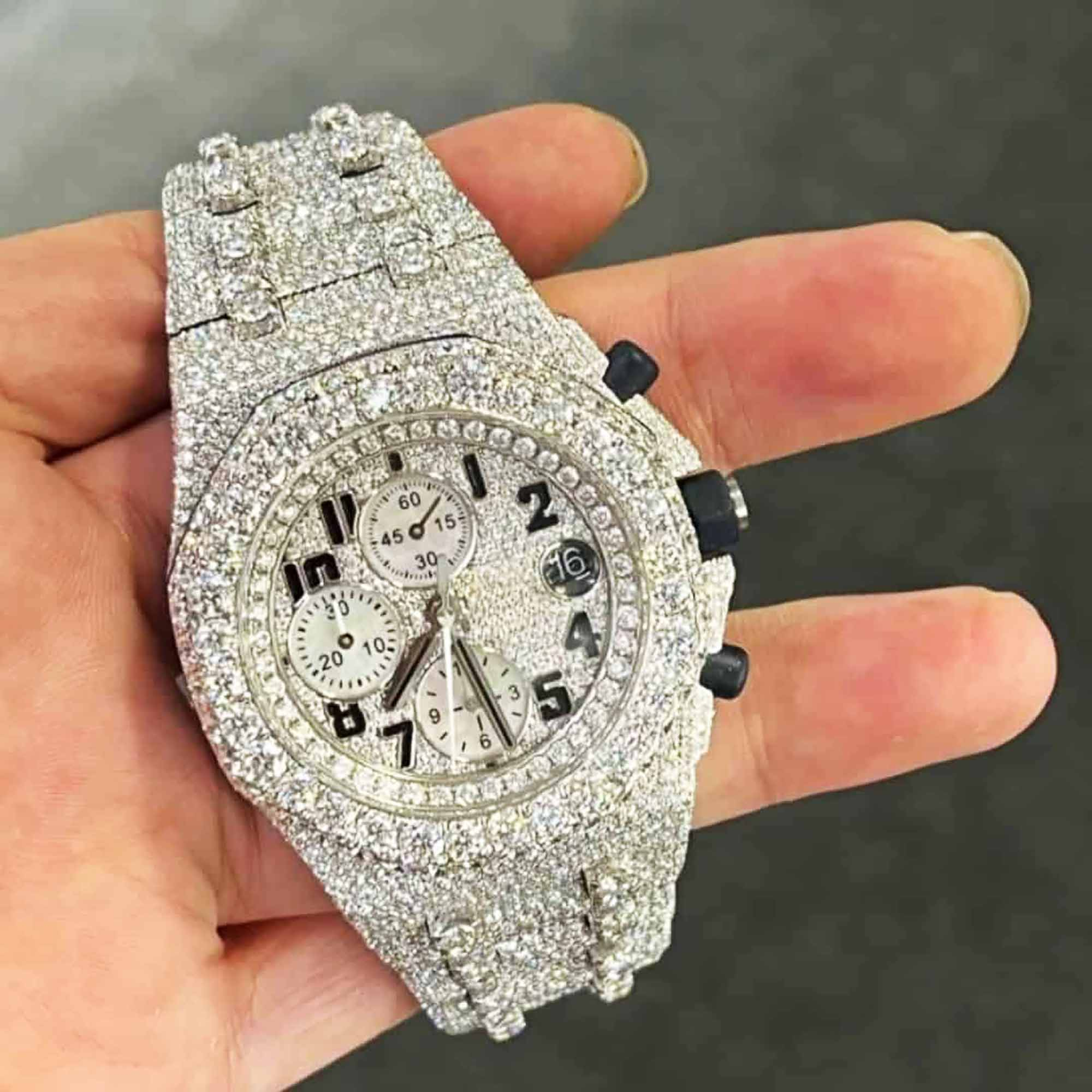
The Part Most Buyers Miss: The Watch Under the Stones
Here’s the part people hate hearing: the stones are only half the purchase.
A $900 moissanite watch with a generic quartz movement and hollow bracelet may look good on TikTok, but it can feel disappointing in the hand. Meanwhile, a cleaner $600 stainless steel piece with a Seiko NH35 automatic movement, sapphire crystal, and tight bracelet tolerances may be the better buy.
I’d judge the watch with four boring-but-useful checks: Stone, Setting, Steel, Sweep.
- Stone: What is actually set — CZ, moissanite, lab diamond, or natural diamond?
- Setting: Are the stones prong-set, bead-set, or glued?
- Steel: Is the case stainless steel, sterling silver, gold, or cheap alloy?
- Sweep: What movement powers it — quartz, Miyota, Seiko, or something unlisted?
“Sweep” gets ignored all the time. People will pull out a diamond tester at dinner but forget to ask if the movement inside is any good.
If you care about daily wear, movement reliability and bracelet comfort matter. If you only need a stage piece or weekend statement watch, the stone impact may matter more.
Which One Should You Buy?
Buy a basic iced-out watch if you want the look for the lowest price and do not care much about resale, stone authenticity, or long-term wear.
Buy a moissanite watch if you want the brightest wrist presence for the money. For a lot of buyers, it hits the sweet spot: big wrist presence without diamond-watch pricing.
Buy a lab-grown diamond watch if you want real diamonds, better material credibility, and a more traditional luxury feel. It’s the pick if you want to say “they’re diamonds” and not have to add a disclaimer.
Here’s how the budgets usually shake out:
- For a $250 budget, expect CZ or basic iced-out stainless steel.
- Around $600–$1,200, moissanite becomes much more attractive.
- Above $2,000, lab-grown diamonds start making sense if the setting and movement justify the price.
Don’t skip the boring maintenance side, either. Plated watches can fade. Rhodium plating on silver may need refreshing. Fully iced bracelets can trap lotion, sweat, and dust, so gentle cleaning matters.
For care tips, read our guide to cleaning an iced-out watch safely.
Red Flags Before You Buy
Two watches can look like twins in a product photo and feel completely different once you hold them.
Be careful if you see:
- No mention of stone type
- No close-up macro video
- “VVS” used without saying moissanite or diamond
- No movement information
- Unrealistic carat claims on a very cheap watch
- Stock photos only
- “Custom” claims with no production timeline
- No warranty for missing stones
Also beware of sellers who say “passes diamond tester” as the whole pitch. Moissanite can pass many basic testers because of its thermal conductivity. That still doesn’t make it a diamond.
If you want lab-grown diamonds specifically, ask whether the stones can be verified with a proper diamond tester that distinguishes moissanite from diamond, not just a cheap pen-style testerout?
Conclusion: Know What You’re Actually Paying For
When comparing icedout watches vs moissanite watches vs labgrown watches what is the difference, keep the labels straight: iced-out is the style, moissanite is the high-sparkle stone, and lab-grown diamond is real diamond material made in a lab.
The best buy isn’t automatically the priciest watch in the case. It is the watch where the stones, setting, metal, movement, and seller transparency all line up.
If you want maximum shine per dollar, go moissanite. If you want genuine diamond material without mined diamond pricing, choose lab-grown. If you just want the iced-out look for occasional wear, a basic iced piece can still be fun — just know exactly what is on your wrist before you pay for the sparkle.
Connect with us https://wa.me/918696500111 for online jewelry consultation
FAQ’s
What is the difference between iced-out watches, moissanite watches, and lab-grown diamond watches?
An iced-out watch is a style covered with gemstones, which may include cubic zirconia (CZ), moissanite, lab-grown diamonds, or natural diamonds. A moissanite watch specifically uses moissanite stones, while a lab-grown diamond watch features real diamonds created in a laboratory with the same physical and chemical properties as mined diamonds.
Which is better: a moissanite watch or a lab-grown diamond watch?
The better choice depends on your budget and preferences. Moissanite watches offer exceptional brilliance and affordability, while lab-grown diamond watches provide the look, hardness, and composition of natural diamonds at a lower price than mined diamonds.
Are lab-grown diamond watches real diamonds?
Yes. Lab-grown diamonds are real diamonds with the same chemical composition, hardness, and brilliance as natural diamonds. The only difference is that they are created in a laboratory rather than formed underground over millions of years.
Where can I buy premium moissanite and lab-grown diamond watches?
If you're looking for handcrafted luxury timepieces, IcedJewelz offers premium moissanite watches, custom iced-out watches, and lab-grown diamond watches crafted with high-quality materials and precision settings for long-lasting brilliance.

